
26 min
0
08.29.2025
Key Takeaways
- You can learn about historical facts from different time periods, such as ancient civilizations and more recent world events like 9/11 and the Cold War.
- Find out about history in many parts of the world, such as Africa, Latin America, Asia, and the Middle East.
- Pick from trivia sets that are organized by level of difficulty. These are great for younger students, people who want to learn in a fun way, or quiz competitions for experts.
- Find questions that are ideal for youngsters and classrooms, as well as little-known facts that will test even the most experienced history aficionados.
- Find out what makes a trivia question work and how to write prompts that are interesting and make people think.
- Use online quiz tools like Kahoot, Quizizz, and Google Forms to make history courses or trivia evenings more fun.
- Get a ready-made PDF quiz that you can print out and use in class, for homework, or for fun history challenges.
- Key Takeaways
- Trivia Questions and Answers on World History from All Times and Ages
- How to Answer These World History Trivia Questions
- World History Trivia by Era
- Fun Facts About U.S. History
- World History Facts by Area
- History Trivia by Level of Difficulty
- What Are the Parts of a Good History Trivia Question?
- World History Quiz Maker That Lets You Play
- Questions and Answers
Trivia Questions and Answers on World History from All Times and Ages
Are you ready to test your knowledge of the world? These history trivia questions and answers cover all of civilization, so whether you're obsessed with ancient Egypt, interested in feudal Japan, or can't get enough of Cold War showdowns, you'll find something here. We have the best brain teasers for both casual fans and serious students. They include everything from conquered capitals to dethroned rulers, Cleopatra's reign, and the rise and fall of powerful empires.
This is your formal invitation to travel through time without a time machine.
How to Answer These World History Trivia Questions
These world history trivia questions aren't only for bragging rights; they're great for getting people interested and testing their knowledge in any situation. Teachers can use them to start a lesson or end a unit with a brief quiz game. Parents who homeschool their kids might make themed quiz games based on important civilizations or time periods. And what if you're in charge of a trivia night? Add these questions to your list to make the challenge more international.
You can change the questions to meet your audience. Want to give younger students a test? Choose easier questions and make it fun for the whole squad. Want to help high schoolers get ready for a big test? Use these to quickly go over what you've learned in class. You may even sort by themes, such as empires, capital cities, or renowned rulers, to make history more fun and interactive.
World History Trivia by Era
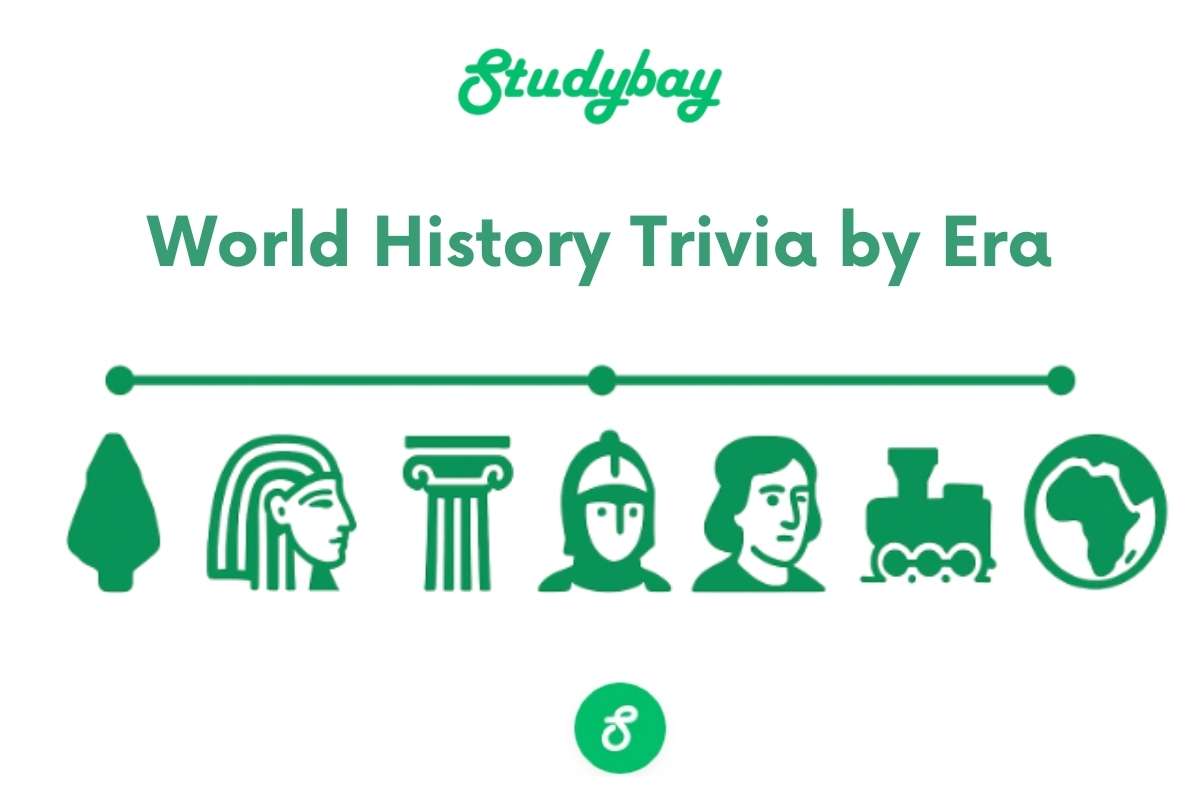
History isn't just a list of names and dates; it's a chronology of big events, important people, and brave leaders who changed the world. That's why we've grouped these world history questions by historical period. This makes it easy to get into any era that interests you. There is a challenge here for you, whether you are interested in ancient empires, revolutionary movements, or the great conflicts that changed the shape of nations.
Each area below gives you a chance to test your knowledge of who led what, when revolutions started, and how important events in history impacted everything.
Old Civilizations
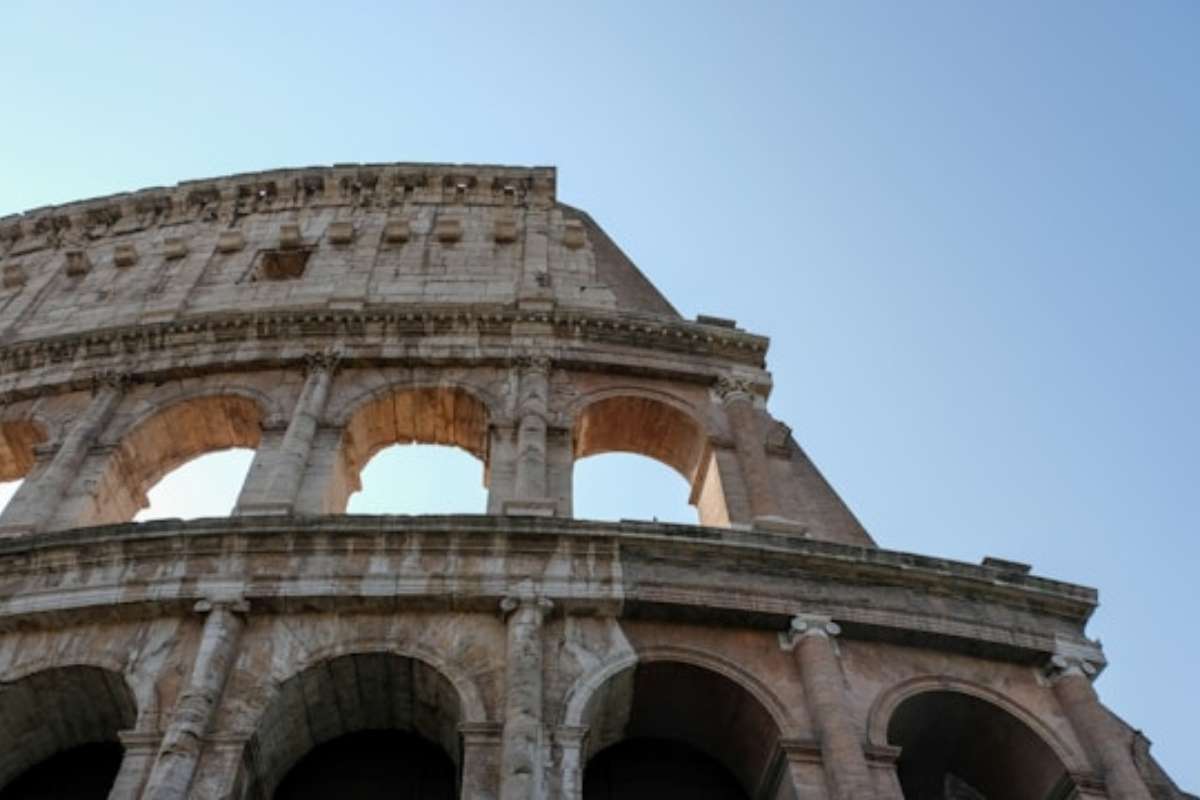
There were ziggurats, chariots, and empires that mapped the stars before there were smartphones and skyscrapers. Ancient civilizations set the stage for literature, religion, science, and government. Their effects can still be felt today. Let's see how much you remember about the first few chapters of history.
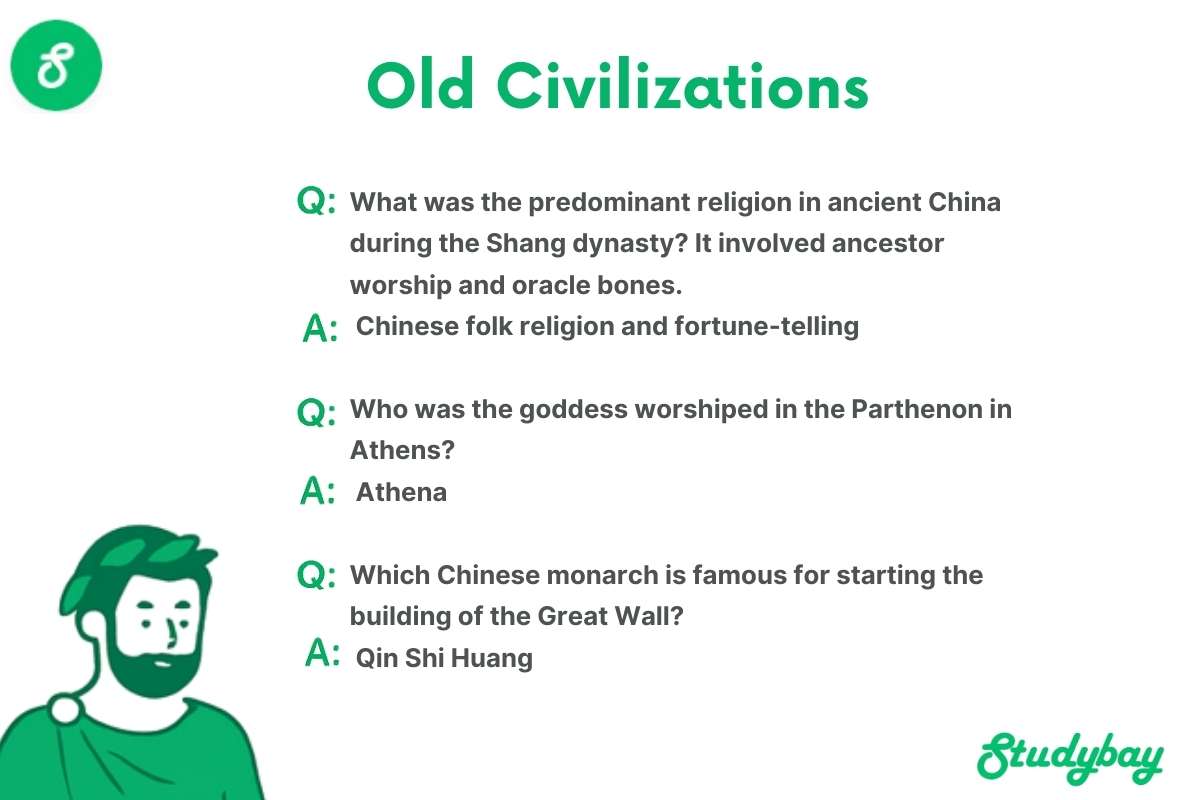
Q: What two rivers helped Mesopotamian culture grow? A: The Tigris and the Euphrates
Q: What building in Egypt was built to be Pharaoh Khufu's tomb? A: The Great Pyramid of Giza
Q: Who is known as the father of Western philosophy and taught Plato in Greece a long time ago? A: Socrates
Q: What was the first way of writing employed in ancient Mesopotamia? A: Cuneiform
Q: What was the predominant religion in ancient China during the Shang dynasty? It involved ancestor worship and oracle bones. A: Chinese folk religion and fortune-telling
Q: Who was the goddess worshiped in the Parthenon in Athens? A: Athena
Q: Which Chinese monarch is famous for starting the building of the Great Wall? A: Qin Shi Huang
The Middle Ages and the Renaissance
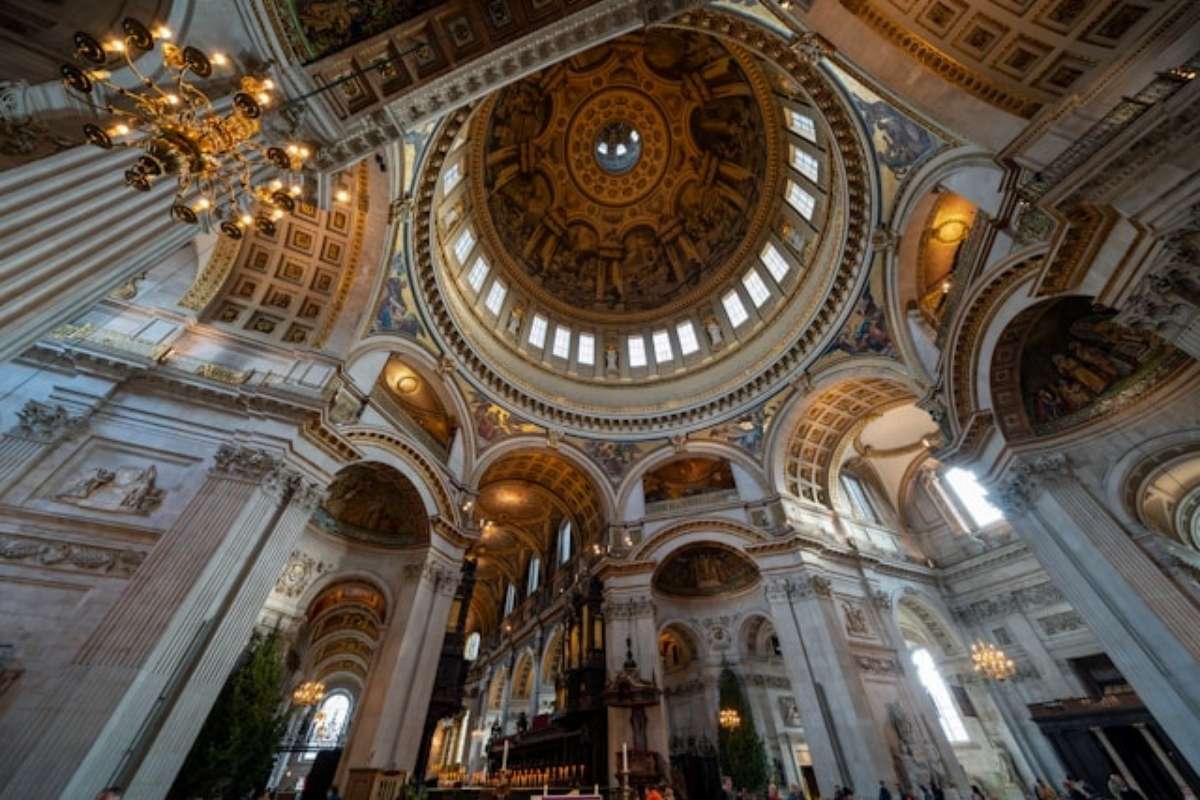
The medieval and Renaissance centuries were full of change and new ideas, from sieges of castles and crusades to cathedrals and canvases. Religion was the most important part of everyday life, feudalism shaped society, and people like Leonardo da Vinci started to question everything. There were a lot of differences during this time. Europe had the Black Death, but it also saw the development of some of the best art and ideas in history.
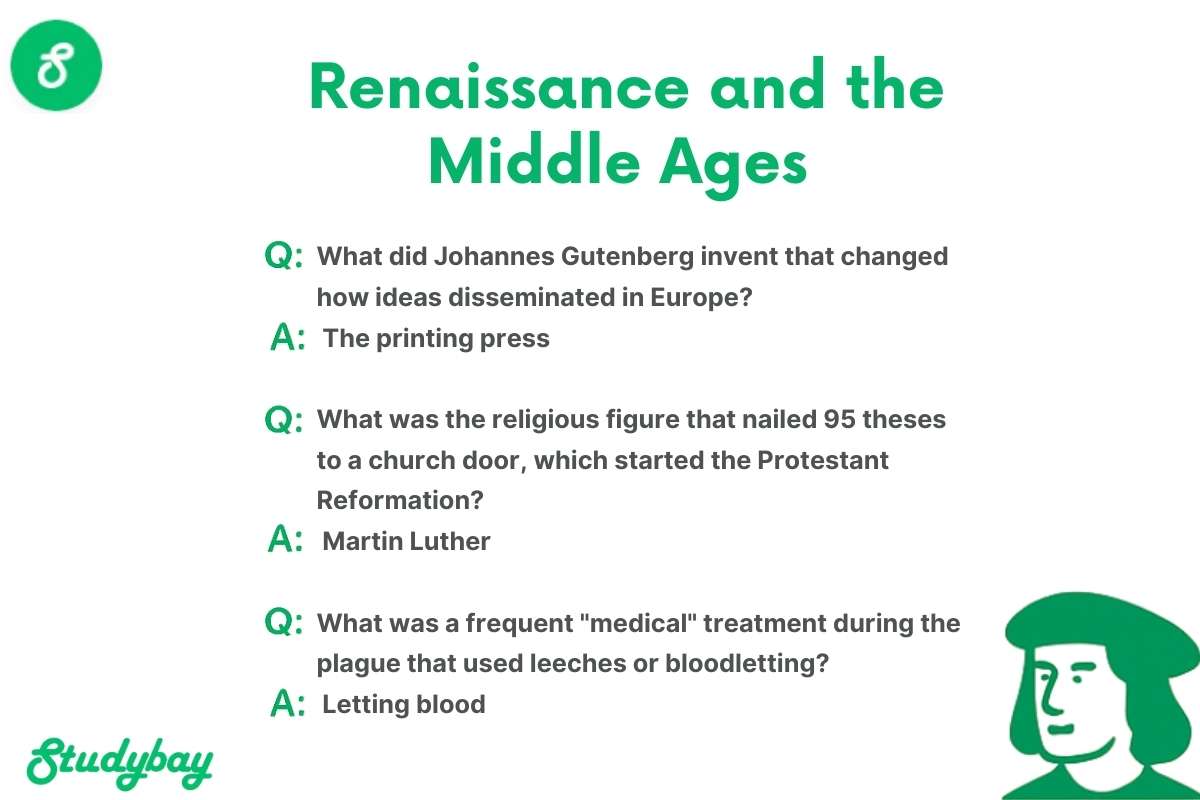
Q: What horrible disease spread over Europe in the 14th century and killed millions? The Black Death
Q: Who painted the Mona Lisa and drew plans for flying machines? A: Leonardo da Vinci
Q: What was the name of the arrangement in which peasants worked land held by nobility in exchange for safety? A: Feudalism
Q: What religious wars took place between the 11th and 13th centuries and were meant to take over the Holy Land? A: The Crusades
Q: What did Johannes Gutenberg invent that changed how ideas disseminated in Europe? A: The printing press
Q: What was the religious figure who nailed 95 theses to a church door, which started the Protestant Reformation? A: Martin Luther
Q: What was a frequent "medical" treatment during the plague that used leeches or bloodletting? A: Letting blood
History from the 1800s to the Present
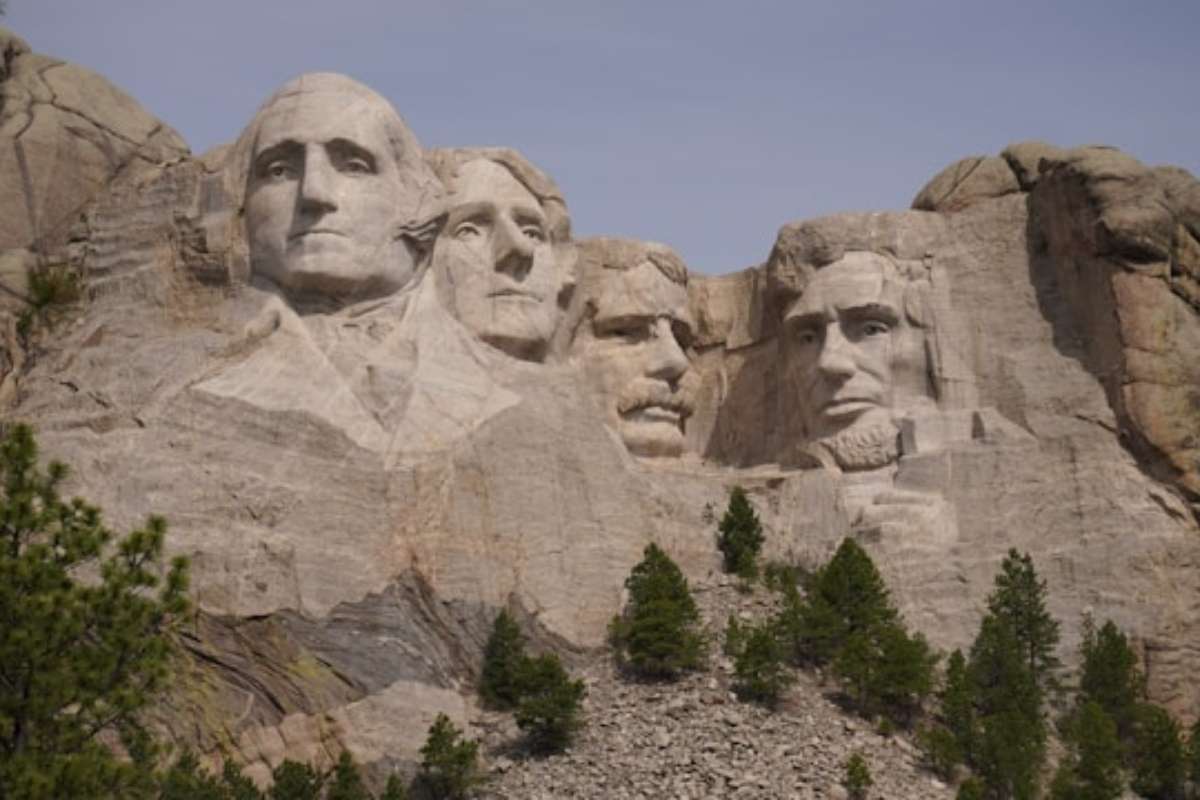
The modern age has seen a lot of changes, including revolutions, new ideas, and wars around the world. This includes everything from 19th-century reforms to the moon landing and beyond. In the previous two hundred years, wars, labs, civil rights marches, and presidential addresses have all changed how we live, fight, heal, and dream.
Q: Who was the president of the United States when the Emancipation Proclamation and the Civil War happened? A: Abraham Lincoln
Q: What big thing happened in 1939 that most of the world's countries were a part in? A: World War II
Q: Who was the first person to walk on the moon in 1969? A: Neil Armstrong
Q: What world war was defined by ideological disagreement between the U.S. and the Soviet Union? A: The Cold War
Q: Who gave the iconic "I Have a Dream" speech during the civil rights struggle in the U.S.? A: Martin Luther King Jr.
Q: What was the name of the new antibiotic that Alexander Fleming found? A: Penicillin
Q: What country came back together in 1990 after being split for decades during the Cold War? A: Germany
Fun Facts About U.S. History
Do you think you know a lot about American history? These history questions will take you from the signing of the Declaration of Independence to the fight for civil rights, the election of new presidents, and the changing laws that still affect the United States. You will look back at the events that shaped the country, such as the Emancipation Proclamation, women's suffrage, the founding fathers, and modern firsts. This part goes into the events, amendments, and famous people who made U.S. history unforgettable. It's great for studying for an exam, teaching in class, or just testing your memory.
The American Revolution and the Beginning of the United States
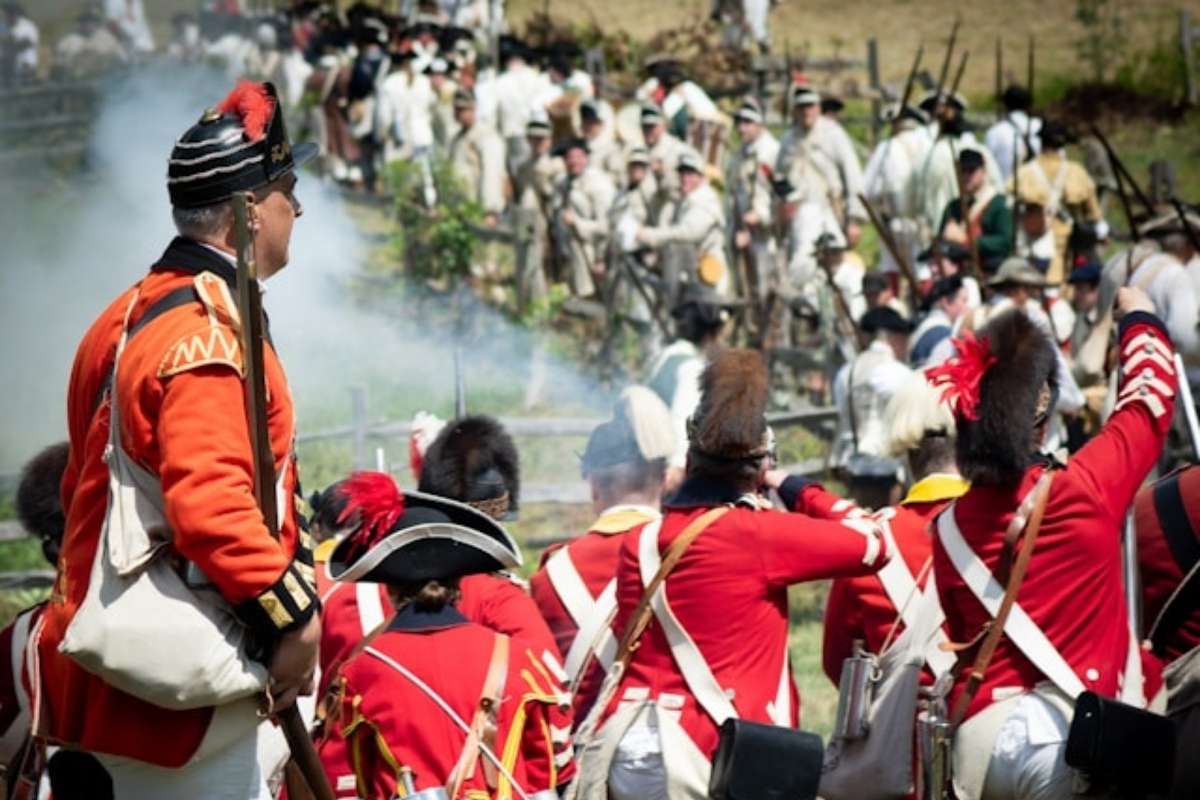
The creation of the United States was anything but calm; it started with rebellions, declarations, and arguments that changed the world. This time period saw the birth of the ideas and institutions that are still important to American identity today, from the call for independence to the ratification of the Constitution. See how well you know the individuals and ideas that launched it all.
Q: When was the Declaration of Independence signed? A: 1776
Q: Who is the founding father who wrote most of the Declaration of Independence? A: Thomas Jefferson
Q: What was the name of the first constitution of the United States, which was passed before the one we have now? A: The Articles of Confederation
Q: Who is called the "Father of the Constitution"? A: James Madison
Q: What well-known event was a protest against British taxes that entailed throwing tea into Boston Harbor? A: The Boston Tea Party
Q: What battle do many think was the turning point of the American Revolutionary War? A: The Battle of Saratoga
Q: What treaty formally concluded the American Revolutionary War in 1783? A: The Paris Agreement
The Civil War and Freedom
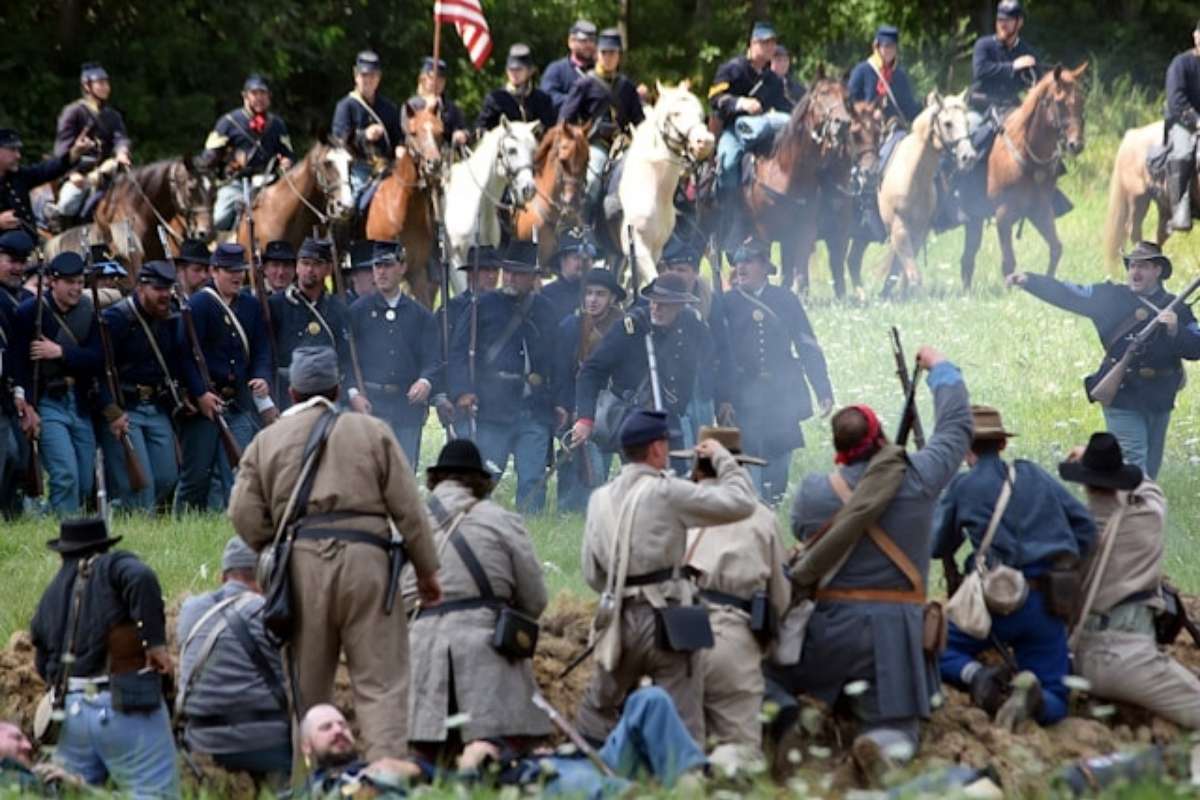
One of the most important and destructive times in U.S. history was the American Civil War. The war was fought in the 1860s for states' rights and the future of slavery. It set North against South and changed the country forever. Abraham Lincoln was at the center of it all. His leadership and the Emancipation Proclamation changed what freedom meant in America. These trivia questions look at the war's most important battles, turning points, and people who influenced history.
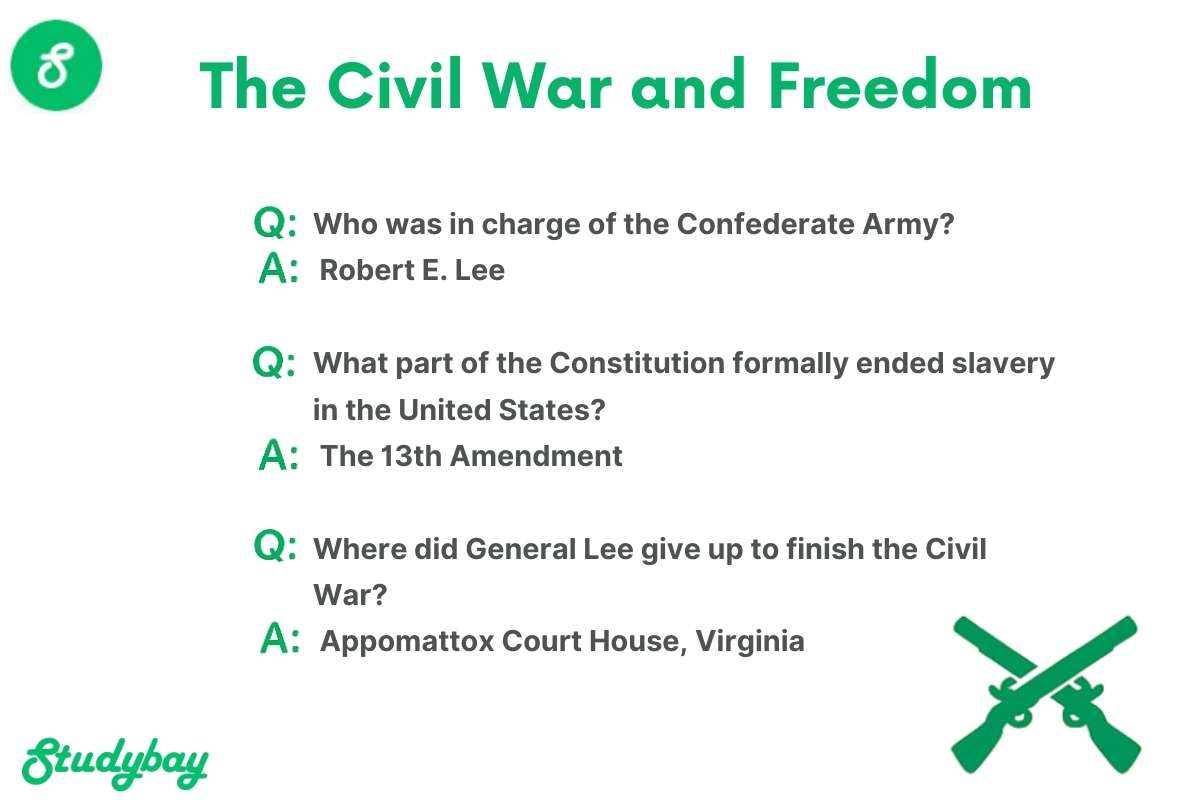
Q: Who was the President of the United States during the Civil War? A: Abraham Lincoln
Q: When did the Emancipation Proclamation come out? A: 1863
Q: What battle in Pennsylvania is thought to have changed the course of the Civil War? A: The Battle of Gettysburg
Q: What was the main reason for the Civil War? A: The growth of slavery and the rights of states
Q: Who was in charge of the Confederate Army? A: Robert E. Lee
Q: What part of the Constitution formally ended slavery in the United States? A: The 13th Amendment
Q: Where did General Lee give up to finish the Civil War? A: Appomattox Court House, Virginia
The 20th Century and Beyond
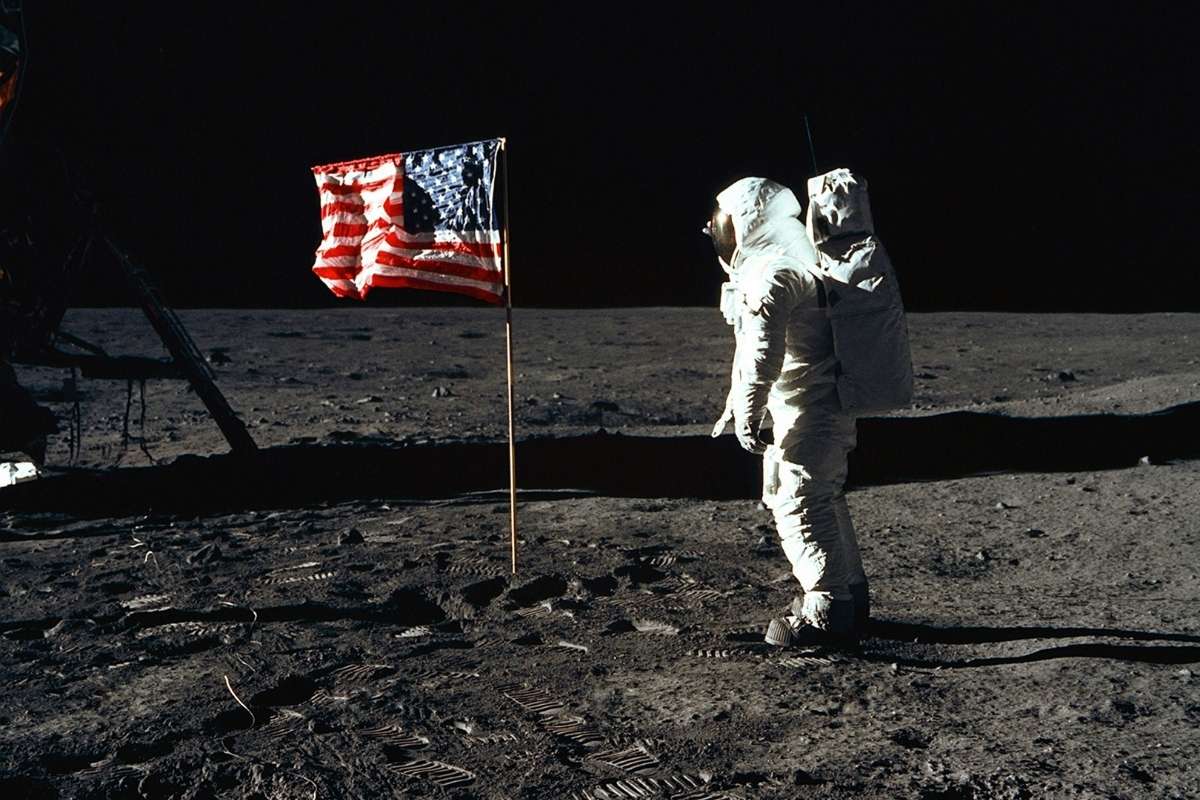
In the previous hundred years, there have been more changes than in any other century. There were two global wars, civil rights milestones, the Cold War, and technological advances that put people on the moon and cellphones in our wallets. Modern history is full of events that still affect how we think, rule, and live. These include the Vietnam War, the Space Race, and social revolutions. This list of trivia mixes well-known facts with interesting ones. How many do you know?
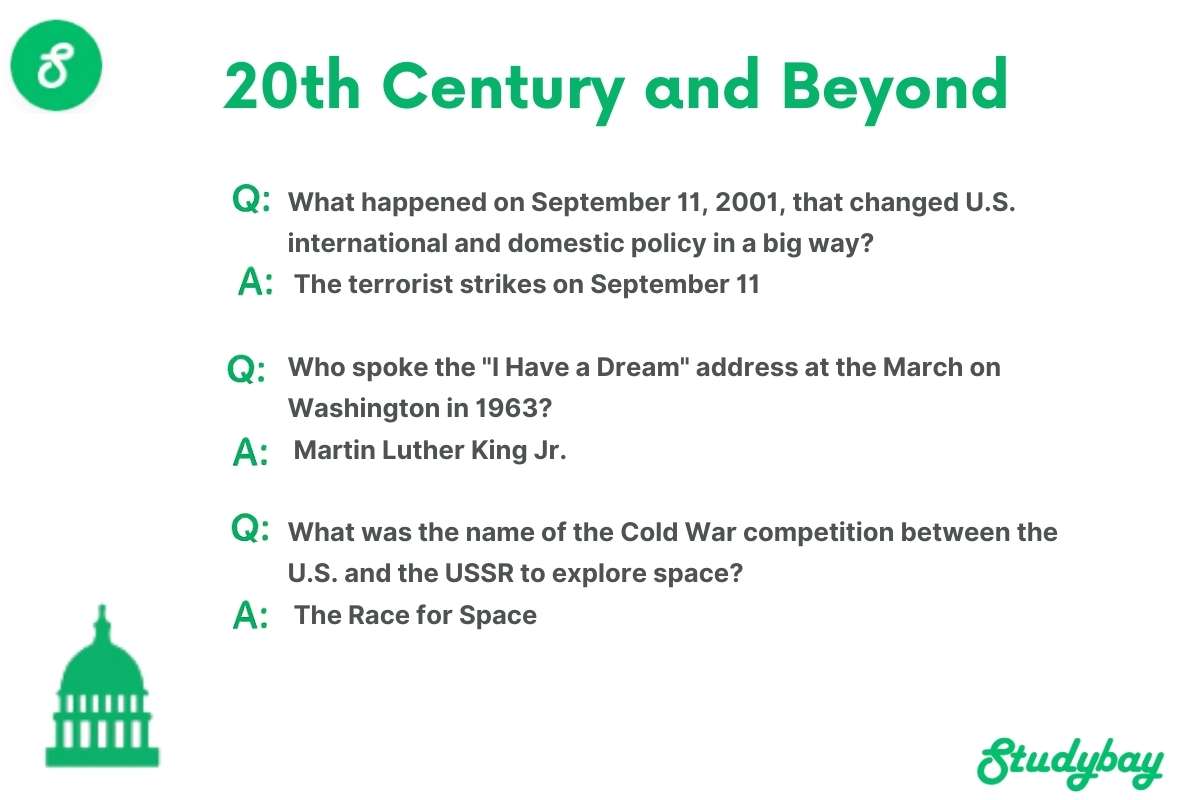
Q: What war concluded in 1945 and saw the U.S. unleash atomic bombs on Japan? A: The Second World War
Q: What happened on September 11, 2001, that changed U.S. international and domestic policy in a big way? A: The terrorist strikes on September 11
Q: Who spoke the "I Have a Dream" address at the March on Washington in 1963? A: Martin Luther King Jr.
Q: What was the name of the Cold War competition between the U.S. and the USSR to explore space? A: The Race for Space
Q: What war caused a lot of protests in the U.S. in the 1960s and 1970s? A: The Vietnam War
Q: Who was the first lady from the United States to go into space? A: Sally Ride
Q: What happened in 2008 that was a first in U.S. presidential history? A: Barack Obama was the first Black person to be elected president of the United States.
World History Facts by Area
History didn't just happen in one place; it happened all across the world, in many different cultures and over many ages. In this part, we'll look closely at important events in Asia, Africa, Europe, and Latin America, covering everything from dynasties and decolonization to revolutions and royal scandals. These region-specific trivia games reflect the complexity and diversity of world history, whether you're interested in ancient trade routes or independence struggles after colonization.
History of Asia and the Middle East
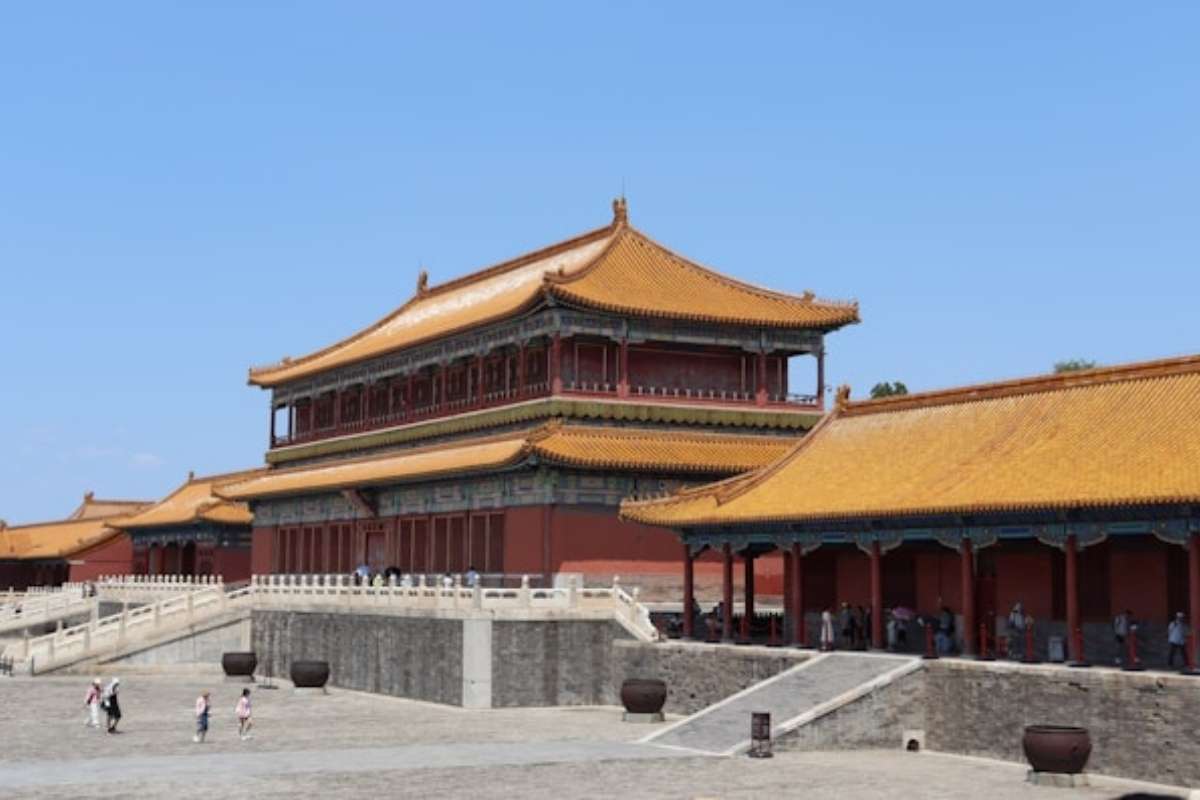
Asia and the Middle East have had a huge impact on world culture for thousands of years, from the philosophical ideas of Buddhism to the amazing buildings of ancient Persia. These areas experienced the development of strong dynasties, technological achievements, and cultural revolutions that went far beyond their borders. This trivia set looks at the many interesting things that have happened in Eastern history, like feudal Japan, imperial China, and the expansion of Islam.
Q: What empire formerly spanned a large area from Greece to India and was ruled by Cyrus the Great and later Darius I? A: The Persian Empire
Q: What religion, started by Siddhartha Gautama, focuses on the Four Noble Truths? A: Buddhism
Q: What was the name of the old trade route that linked China to the Mediterranean? A: The Silk Road
Q: Which dynasty ruled China from the 14th to the 17th century and built the Forbidden City? A: The Ming Dynasty
Q: What religion spread quickly in North Africa and the Middle East after the 7th century CE? A: Islam
Q: What rules did samurai in feudal Japan follow to behave? A: Bushido
Q: What revolution in Iran in 1979 ousted the Shah and set up an Islamic Republic? A: The Revolution in Iran
The History of Africa and Latin America
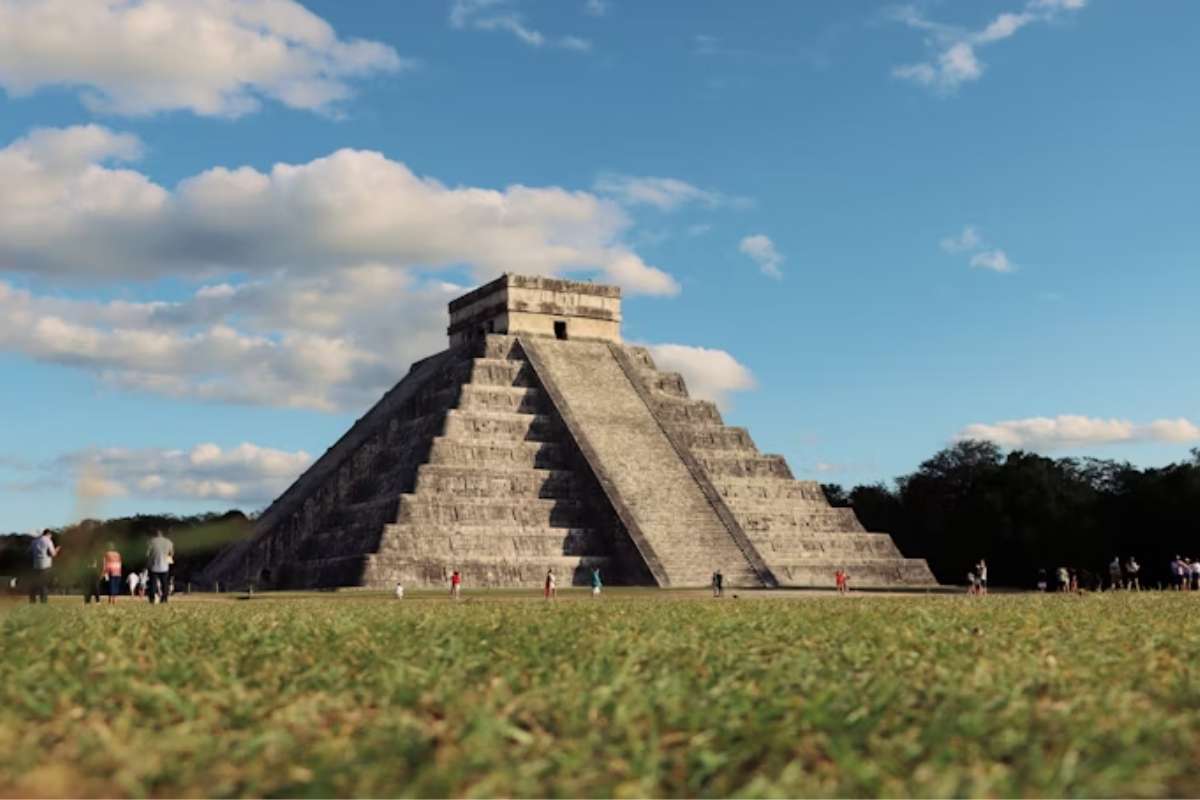
Africa and Latin America have had a huge impact on world history, from ancient monarchies and colonial resistance to daring revolutions and cultural advances. Long before Europeans came to the Americas, civilizations like the Mali Empire, the Incas, and the Aztecs did amazing things in construction, astronomy, government, and trade. This trivia part is meant to commemorate that legacy and bring attention to leaders, empires, and events that should have a bigger role in the history of the world.
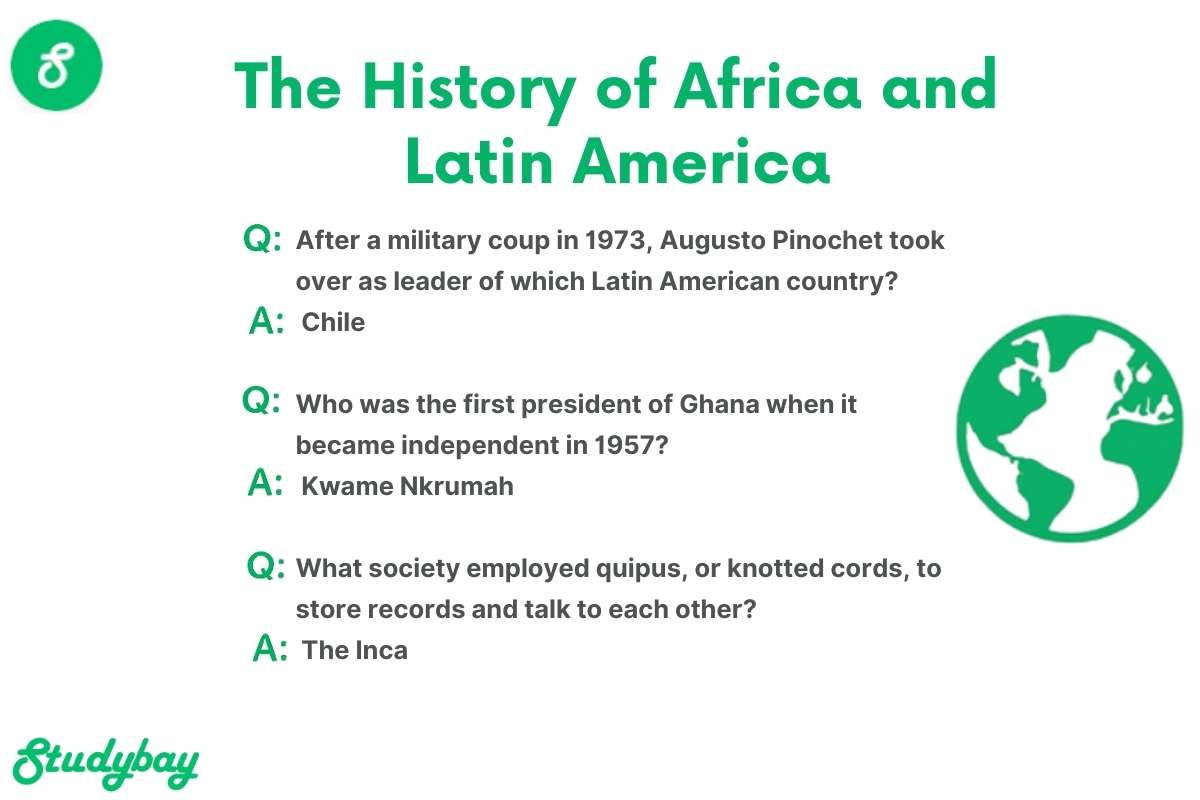
Q: In the 14th century, who governed the rich West African empire of Mansa Musa? A: The Empire of Mali
Q: Who built Machu Picchu high up in the Andes Mountains? A: The Inca Empire
Q: Which Latin American country established an empire under Dom Pedro I after breaking away from Portugal in 1822? A: Brazil
Q: What was the capital of the Aztec Empire? It was in what is now Mexico City. Tenochtitlán
Q: After a military coup in 1973, Augusto Pinochet took over as leader of which Latin American country? A: Chile
Q: Who was the first president of Ghana when it became independent in 1957? A: Kwame Nkrumah
Q: What society employed quipus, or knotted cords, to store records and talk to each other? A: The Inca
History Trivia by Level of Difficulty
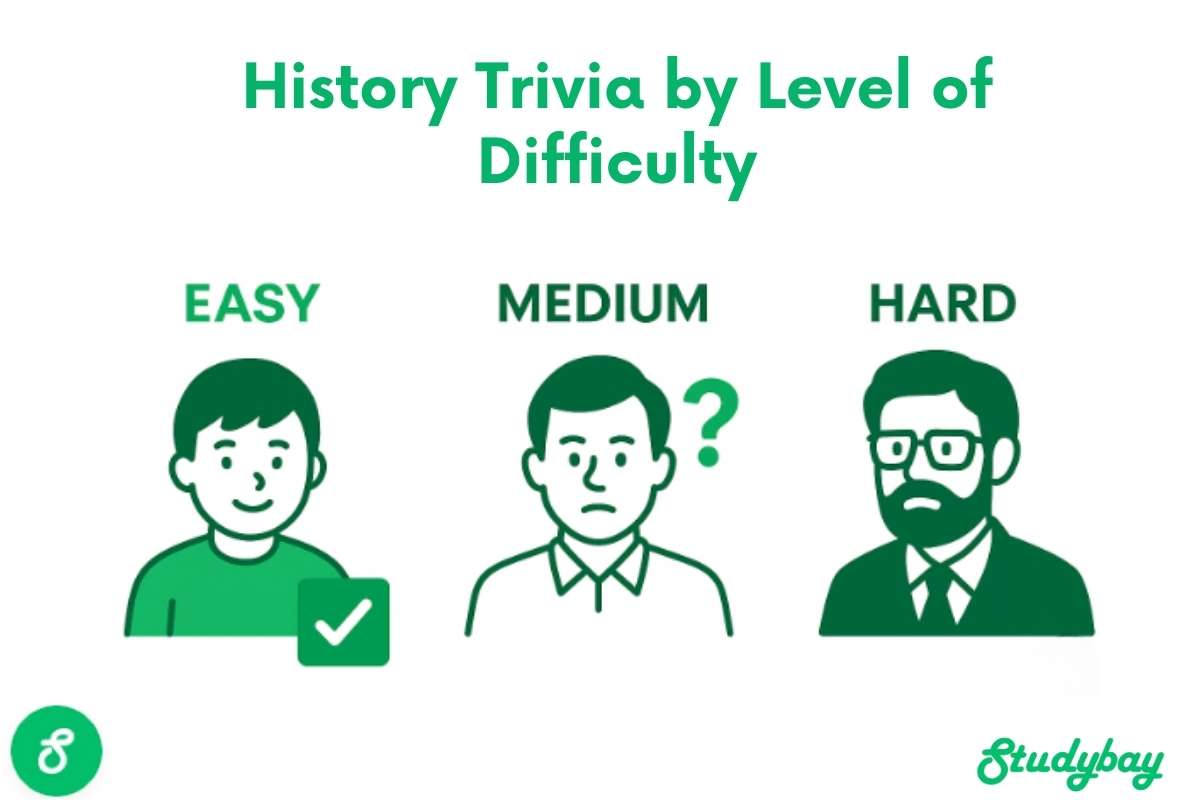
Want to make your challenge more personal? This part sorts our history trivia questions by level of difficulty, so you may use them for teaching, preparing for a quiz night, or just testing your recall. Pick an easy set to get younger pupils warmed up, a medium set for casual learners, or an expert-level set if you want to show off your historical knowledge. No matter how good you are, there's a set that will test you.
Simple History Questions
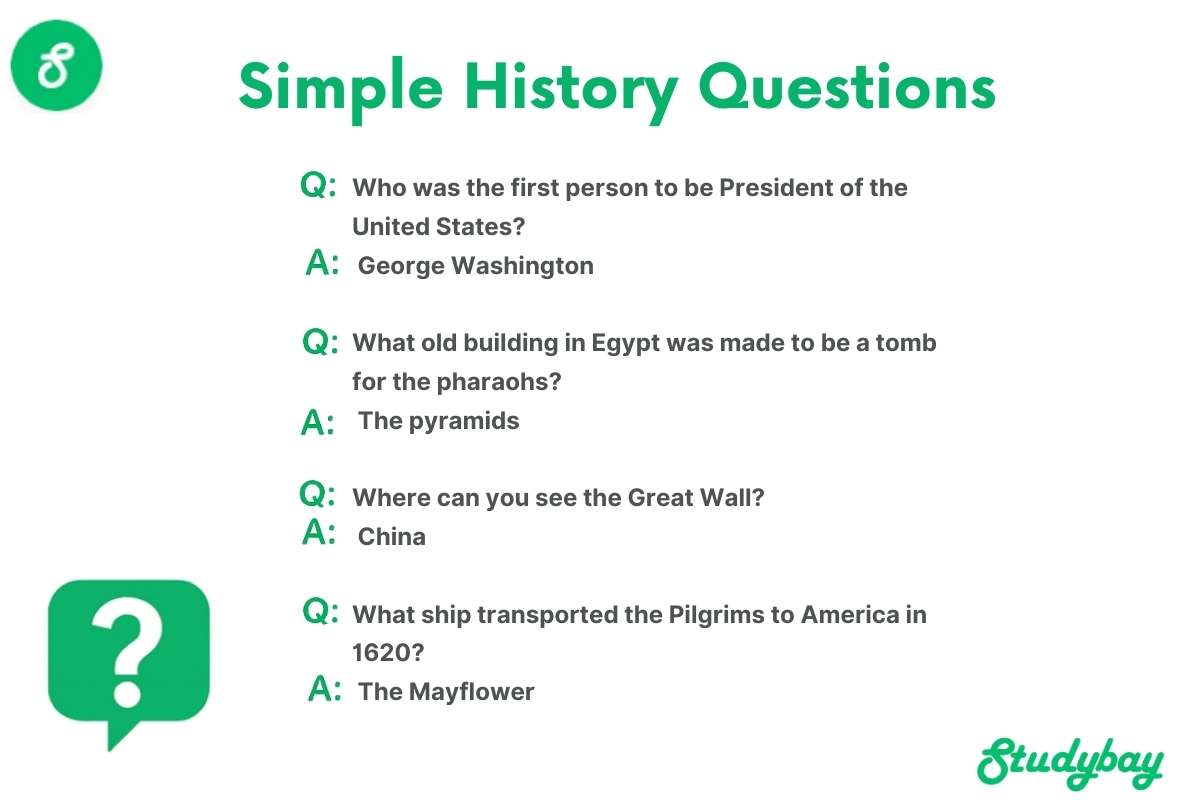
This set of history trivia for kids is great for kids who are interested in history and want to learn more about it. These easy and engaging questions are meant to make you curious, not confused, whether you're in a classroom, at home, or just starting your adventure through time.
Q: Who was the first person to be President of the United States? A: George Washington
Q: What old building in Egypt was made to be a tomb for the pharaohs? A: The pyramids
Q: Where can you see the Great Wall? A: China
Q: What ship transported the Pilgrims to America in 1620? A: The Mayflower
Q: Who discovered gravity after observing an apple fall from a tree? A: Isaac Newton
Q: What well-known paper starts with "We the People"? A: The Constitution of the United States
Q: What country has Bastille Day as a national holiday? A: France
The Most Difficult Questions About World History
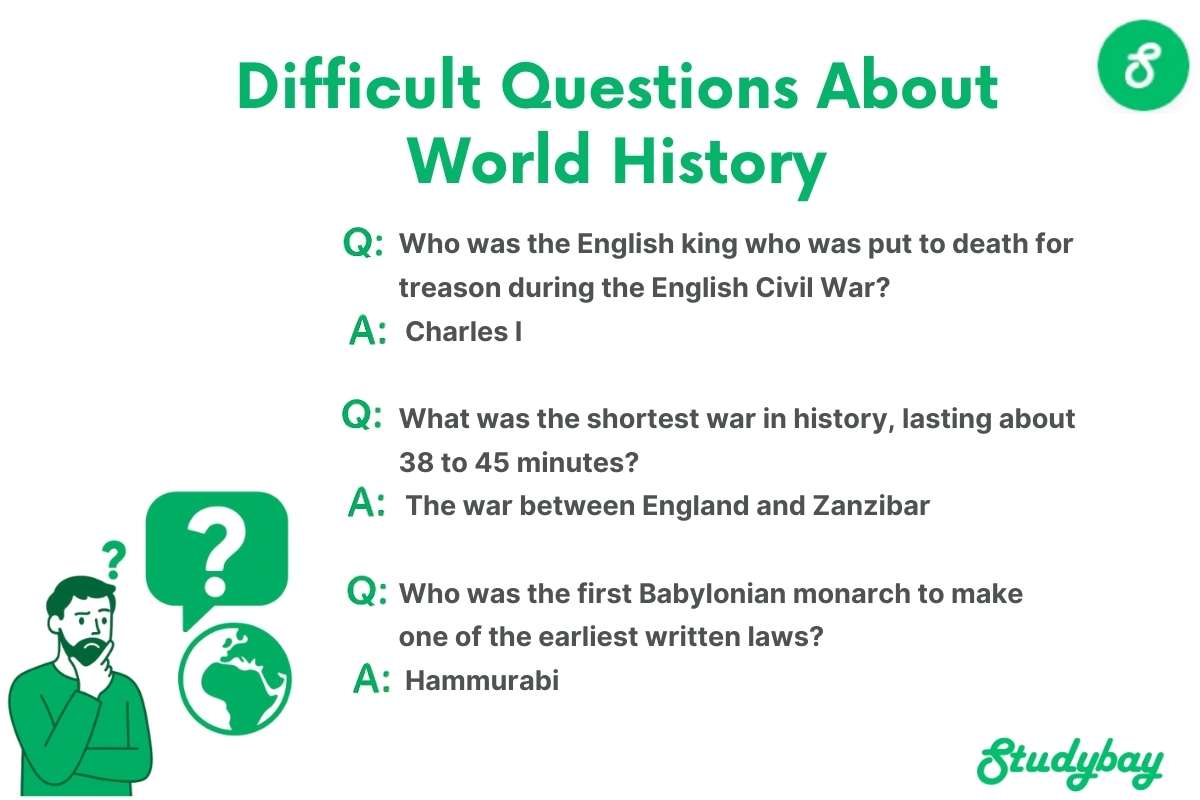
Do you really know a lot about history? Even the most committed scholars should have a hard time with this list. These inquiries dig deep into the archives, covering anything from little-known conflicts to unusual political occurrences and unexpected turns in history. No fluff, no guesswork—just the most interesting, strange, and difficult parts of world history.
Q: What word was etched into a tree at the site of the Roanoke colony that was lost? A: Croatoan
Q: Who was the only U.S. president to be taken prisoner during a war? A: Andrew Jackson
Q: Who was the ancient Greek general who died of disease not long after he had conquered most of the known world? A: Alexander the Great
Q: Who was the English king who was put to death for treason during the English Civil War? A: Charles I
Q: What was the shortest war in history, lasting about 38 to 45 minutes? A: The war between England and Zanzibar
Q: Who was the first Babylonian monarch to make one of the earliest written laws? A: Hammurabi
Q: What Mesoamerican society employed knotted cords called quipus instead of a written alphabet? A: The Inca
What Are the Parts of a Good History Trivia Question?
Making good history trivia isn't only about finding strange facts; it's also about asking questions that make people stop, think, and want to hear the answer. Good design makes people think critically and maintains the experience interesting, fair, and thought-provoking, whether you're making a quiz for your class or hosting trivia night.
Here are some tips for making good history trivia questions:
- Get their attention first. Instead of a textbook statement, use a query that sounds like a mystery or riddle.
- Make it clear. Don't use words that are too complicated, as they could confuse instead of challenge.
- Change up your formats. Mix remembering facts, cause and effect, timelines, or "Who am I?" "clues."
- Put things in context. Adding some historical context to the question makes it more interesting and easier to remember.
- Be careful with distractors. If you're performing multiple choice, don't pick responses that are clearly wrong.
- Check for depth. Don't just ask about dates; ask why things happened or what transpired as a result.
- Change your style to fit your audience. Make sure the questions are appropriate for the age group and the culture.
A well-designed trivia game may convert a basic question into a great way to learn.
World History Quiz Maker That Lets You Play

Want to make your history trivia more interesting? An interactive quiz maker is a terrific method to get people involved, whether you're teaching in a classroom, planning a game night, or presenting an online event. These tools make it easy to develop quizzes that are enjoyable to look at and work for people of all ages.
Here are some well-known choices:
- Kahoot is great for live quizzes with music, timers, and leaderboards that move quickly.
- Google Forms is great for quizzes that you can do at home or at your own pace. It grades them automatically and gives you a summary of your answers.
- Quizizz: A great tool for review sessions because it combines self-paced learning with game-like elements.
- Sporcle is great for making geography and history games that test your memory when you're under pressure.
You don't need to know how to code or design to use these platforms to make your world history questions come to life.
Questions and Answers
How many questions are in a good history trivia quiz?
A good history quiz has between 10 and 25 questions. This variety keeps people from becoming tired of quizzes and lets you combine easy and hard questions. For schools, 10 to 15 works well within time limitations. For trivia night, go for 20 to 25 to make things more interesting and score more points.
How do you group trivia questions?
You can sort trivia questions by theme (such as revolutions or notable leaders), by time period (from ancient to present), or by how hard they are. Thematic groups are great for concentrated courses, chronological groups are great for timelines, and difficulty-based groups are great for situations with kids of different ages or when people are competing.
Can I use these questions in school or for learning?
Yes, these questions are meant to be used in schools, at home, or by nonprofits. You can also get a PDF version of the quiz that you can print out for worksheets, homework, or review games without needing any special licenses.
Are the questions new for 2025?
Of course. This trivia content has been updated recently and is based on what we know about history as of 2025. The main ideas of history retain the same, but we've made sure that all of the questions are framed in a current way, include people from all over the world, and use new formats.