
27 min
0
09.10.2025
Important Points
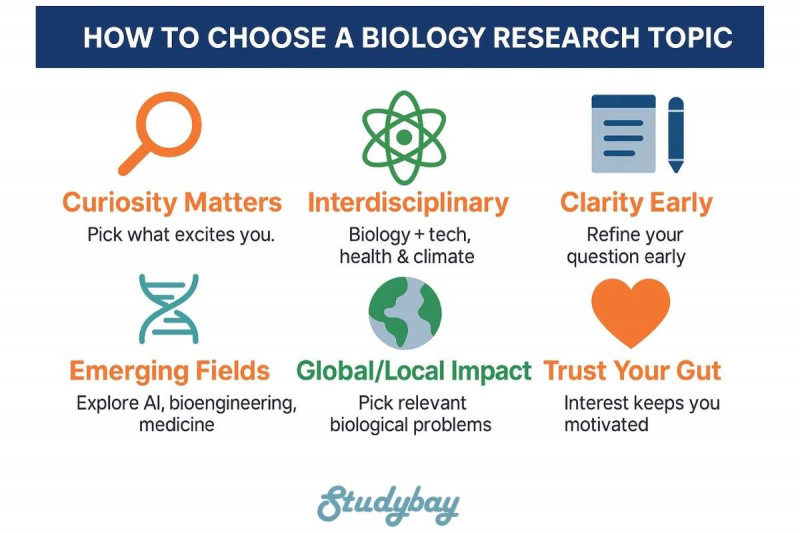
Not sure where to start? Here are some things to keep in mind when looking at biology research topics:
- You don't need a PhD to perform important biological research; all you need is interest and a clear question.
- Biology is one of the most interdisciplinary subjects because it intersects with tech, climate, health, and more.
- If you start with ambiguous topics, you will slow down. To keep on track, make your notion clearer early on.
- Students can explore a lot of new fields, such as bioengineering, computational biology, and regenerative medicine.
- Choose topics that have something to do with biological problems in the globe or in your own area.
- The best biology study subjects are the ones you really want to learn about, so trust your gut and go for it.
- Important Points
- How to Pick a Topic for Your Biology Research
- Biology Research Topics for Each Grade Level
- Popular Biology Research Topics in 2025
- Genetics and Molecular Biology
- Genetic Research Questions
- Physiology, Immunity, and Health of People
- The Microbiome and Mental Health
- Vaccines and Problems with the Immune System
- Climate, Ecology, and the Environment
- Protecting and Preserving Urban Biodiversity
- Marine and Aquatic Biology
- Biology Topics from Different Fields
- Animal and Plant Biology
- How Plants Fight Back and Talk to Each Other
- Animal Behavior and Evolution
- Bioengineering and New Ideas
- Tissue Engineering and Regenerative Medicine
- Big Data and Computational Biology
- How Zoonotic Diseases Spread
- Examples of Biology Research Topics with Questions
- Topics in Biology Research to Stay Away From
- Biology Research Topics: Frequently Asked Questions
- Looking into Biology in 2026
Biology is more than just lab coats and microscopes; it's a means to learn about all kinds of life. In 2025, biology research topics will include a wide range of interesting and important subjects, from figuring out how to read human DNA to figuring out how climate change affects ecosystems.
It can be hard to choose a path when there are so many choices. This guide is here to help you find biology topics that are not only interesting but also a good fit for your level of education, hobbies, and future aspirations.
There is a biology topic for you, whether you are interested in genes, the environment, or the latest technology. This tutorial will show you how to come up with student-friendly project ideas in all the main subfields. To start, here's a brief look at what's popular right now:
- The ethics of gene editing and CRISPR in medicine
- The decrease of pollinators in cities
- How germs in the gut affect mental health
- 3D bioprinting for organ repair
- Using AI and big data in conservation biology
Are you ready to find your next research project? Let's get started.
How to Pick a Topic for Your Biology Research
Picking the ideal biology study topic is a lot like picking a song for the semester: it should fit your mood, your schedule, and what you want to learn. Think about what really makes you curious to get started. Is it how the brain works? What is killing coral reefs? How is technology influencing medicine? Whatever it is, your interest will keep you going when the deadline gets close.
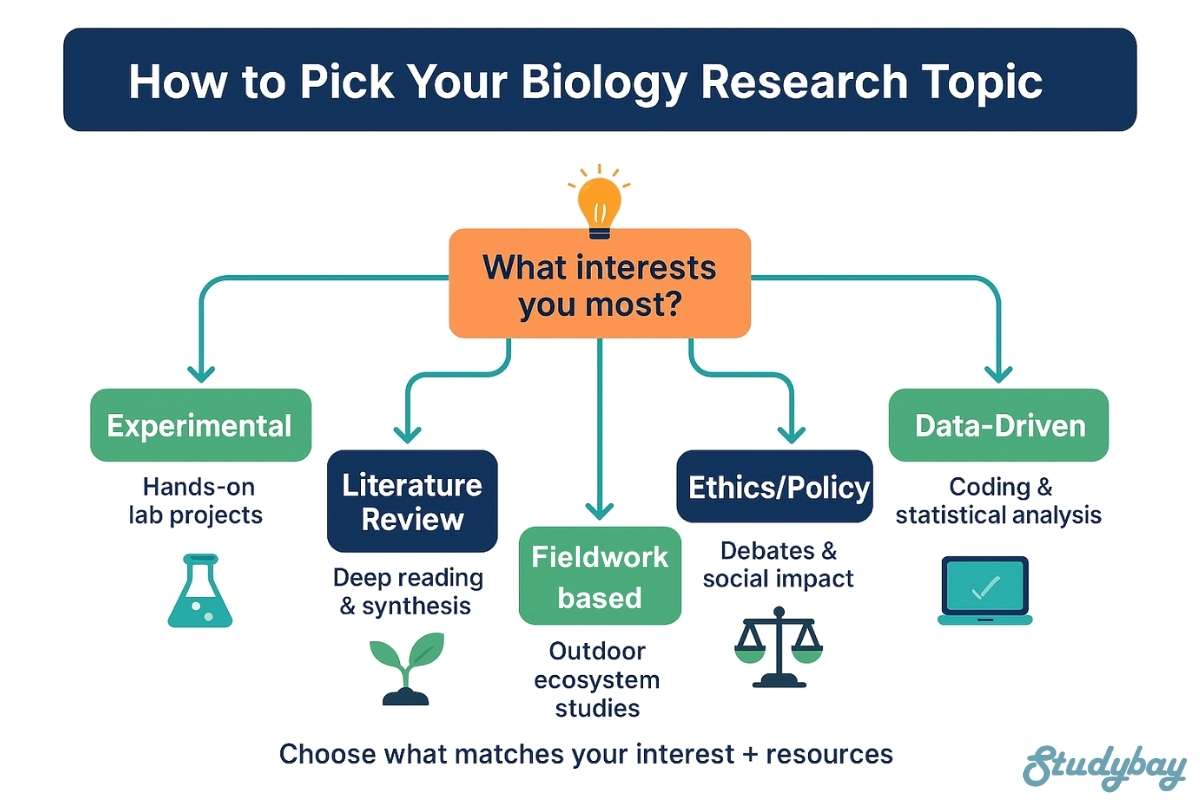
Think about what kind of project would be best for you once you have a broad idea. Here are a few ways to help you narrow it down:
- Experimental topics—Great for people who want to work in labs. Testing how microorganisms react to different pH levels is one example.
- Literature review subjects – Perfect for people who want to read and think deeply. For example, looking at new research on the gut-brain axis.
- Data-driven topics are best for people who like coding or statistics. For example, analyzing databases of gene expression to look for cancer indicators.
- Fieldwork-based themes are great if you want to see how life is in the outdoors. For example, looking at how pollinators perform in city parks.
- Interdisciplinary subjects are great for people who are good with technology. For example, looking at how AI may help predict the extinction of a species.
- Ethics or policy issues—A great choice if you like to argue and keep up with the news. Example: the moral issues that come up when modifying human genes.
- Case-study topics—Helpful for people who want to be doctors or ecologists. For example, looking at disease outbreaks in bat populations.
There are good things about each type, so pick the one that interests you and fits your schedule and resources. And don't forget that you can always change your mind. Biology is all about adapting.
Biology Research Topics for Each Grade Level

There isn't a one-size-fits-all answer to biology project ideas. What works for a high school sophomore can be too easy or too hard for a college senior. As you go through school, you get better at dealing with complicated ideas, research methodologies, and writing about science. Let's divide biology topics by grade level so you can select the one that best fits your talents and academic goals.
Biology Topics for Middle School (Grades 6–8)
The goal at this level is to get kids interested and make them think like scientists.
- How plants grow under different types of light
- Seeing mold develop on food
- What happens to earthworms when they are in the light?
- Does music have an effect on plant growth?
- Looking at the human senses: which one is the strongest?
Biology Topics for High School Students (Grades 9–12)
Students here can manage more structure and might start employing controlled experiments or simple data analysis.
- How caffeine changes the heart rate of Daphnia
- Looking into how well natural and chemical hand sanitizers work
- How changes in temperature affect yeast fermentation
- The job enzymes do in breaking down food (with pineapple or liver)
- Investigating the diversity of insects across various local ecosystems
Topics in AP/IB Biology
Advanced analysis, formal hypothesis testing, and data collection are all things that AP and IB students are expected to do.
- The effect of changing light wavelengths on photosynthesis rates
- The effect of pH levels on how enzymes work
- Using potatoes or onions to study osmosis in plant cells
- How the amount of nutrients available impacts how fast plants grow
- Using ecological data from a certain area to model how populations expand
Biology Topics for College Students
We're in the big leagues now. College students work on topics that cross disciplines, frequently using lab equipment, software, or academic sources.
- CRISPR: its present uses and moral issues around gene editing
- The diversity of the gut microbiome and its connection to mental health
- The impact of microplastics on freshwater ecosystems.
- Changes in the climate and the bleaching of coral reefs throughout time
- Using machine learning algorithms to guess how proteins will fold
Your research should grow as you get better at school. The most important thing is to choose a topic that is hard enough to teach you something new, but not so hard that you give up.
Popular Biology Research Topics in 2025
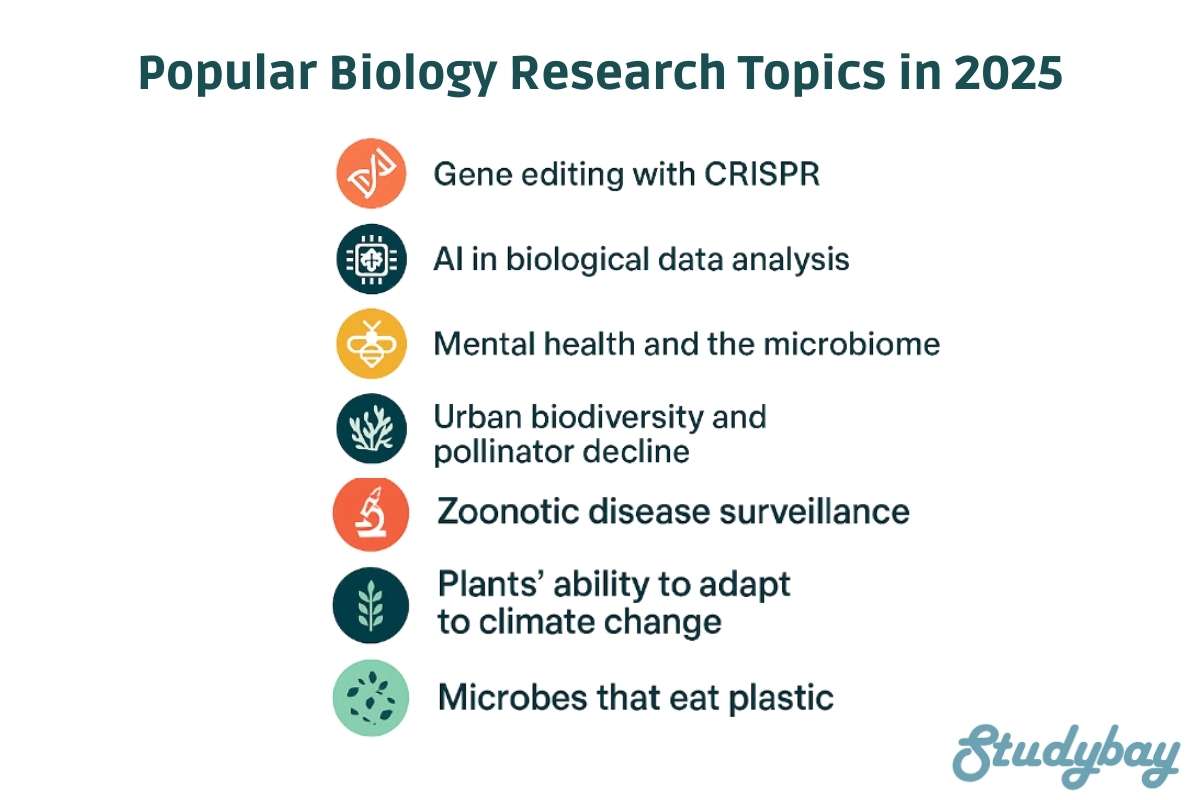
Biology is always changing because of new discoveries, crises, and innovations. In 2025, students are doing research that has to do with global issues, new technologies, and deeper questions about life. Today, the most important biology themes are more interdisciplinary and urgent than ever. They include adapting to changes in the environment, unlocking genetic potential, and tackling problems in healthcare.
This year, these 10 biology research subjects are getting a lot of attention:
- Gene editing with CRISPR: CRISPR is still at the cutting edge of biomedical research. Scientists are looking at how it can be used to change food systems and agriculture as well as cure genetic illnesses.
- AI in biological data analysis—Machine learning is changing the way scientists guess the shapes of proteins, model ecosystems, and figure out what's wrong with people.
- Mental health and the microbiome: New studies show that gut bacteria may be linked to mood disorders including anxiety and depression, which could lead to new treatments.
- Urban biodiversity and pollinator decline: As cities grow, biologists are looking into how bees, birds, and plants change (or don't change) when they live in cities.
- Regenerative medicine is changing how we do transplants by using 3D bioprinting and tissue engineering to make things like printed skin and lab-grown organs.
- Zoonotic disease surveillance: After COVID, scientists are coming up with new techniques to stop animal-to-human disease transmissions before they happen.
- Plants' ability to adapt to climate change—Researchers are looking into how crops might change their genes to survive drought, heat, and bad weather.
- Microbes that eat plastic: Scientists are looking into enzymes that break down plastics as a possible way to clean up pollution.
- Brain-computer interfaces: Researchers are looking into how to use neural impulses to help paralyzed people move again.
- Synthetic biology for sustainability—more and more people are interested in engineering microbes to make clean energy, biodegradable materials, or even proteins that people can eat.
These trends aren't just headlines; they're the start of research initiatives that are important. Any of these subjects could be a great place to start if you want your biology project to feel contemporary and forward-thinking.
Genetics and Molecular Biology
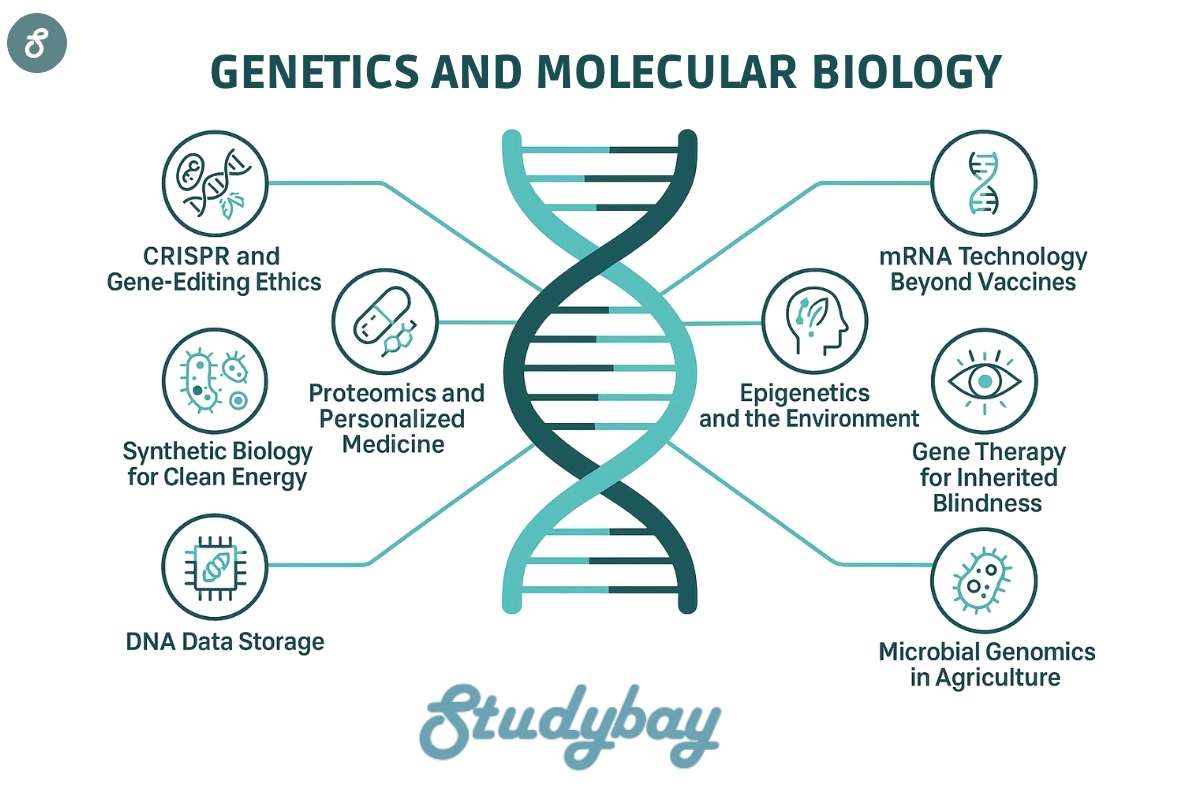
This part is for you if you're interested in how molecules work in living things. Genetics and molecular biology are still pushing the limits of what we can comprehend and what we can make, from figuring out how illnesses work to making synthetic species.
In this field, these are 10 issues that are worth studying:
- CRISPR and gene-editing ethics: Look at the moral and social effects of changing human embryos or getting rid of genetic illnesses.
- mRNA technology beyond vaccinations: Look into how messenger RNA could be utilized to treat cancer, autoimmune diseases, or even hereditary abnormalities that are very rare.
- Epigenetics and the environment: This field looks at how lifestyle and environmental influences can turn genes "on" or "off" without changing the DNA sequence.
- Gene therapy for inherited blindness: Look at recent case studies where gene therapy restored some vision and what this means for the future of medicine.
- Microbial genomics in agriculture: Look at how microorganisms are genetically changed to make crops more resistant, improve soil health, or increase food output.
- DNA data storage: Look into how genetic material could be used to store digital information more efficiently than silicon chips.
- Genetic basis of antibiotic resistance: Follow how bacterial genes change to resist treatments and how genomics helps fight this problem around the world.
- Proteomics and personalized medicine: Research how looking at proteins instead of just genes can help doctors make medicines that are right for each patient.
- Cancer genomics and tailored medications: Find out how analyzing the DNA of tumors can help make drugs that work on specific mutations.
- Synthetic biology for clean energy: Look into synthetic microbes that can turn trash into fuel or trap carbon dioxide.
If you're thinking about a lab internship or writing a term paper, these themes are a good place to start looking into the blueprints of life.
Genetic Research Questions
Are you looking for a good place to start your next genetics paper or project? Here are seven questions that are topical and thought-provoking that will help you with your research:
- How might CRISPR be utilized to address rare genetic problems while minimizing off-target effects?
- What part do changes in epigenetics play in the development of mental health problems?
- Can gene expression data assist in forecasting cancer progression and therapy results?
- How can horizontal gene transfer in bacteria make them resistant to antibiotics?
- What moral issues come up when gene-editing technologies are used on embryos?
- How good are today's bioinformatics methods in finding mutations that are associated to diseases?
- How might population genetics help us come up with better solutions to protect endangered species?
Physiology, Immunity, and Health of People
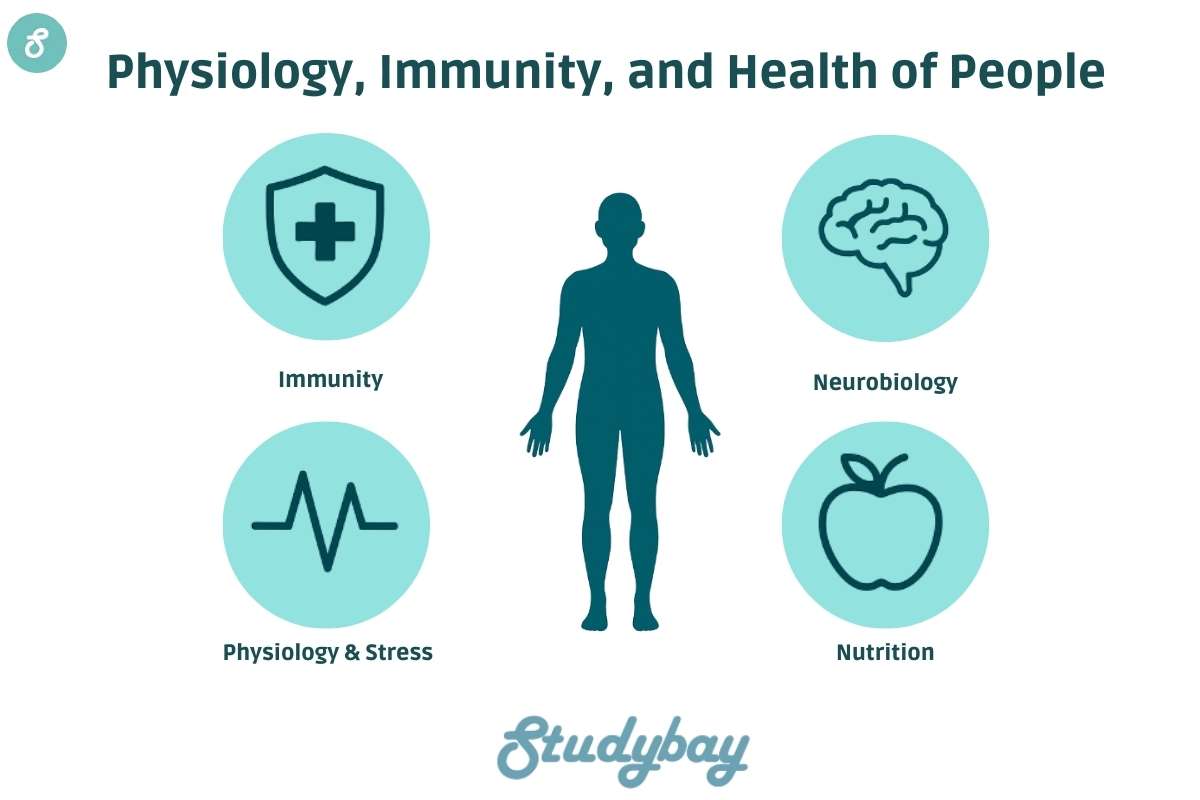
The biology of human health is continually changing. For example, we learn more about how our systems deal with stress and how to fight viruses. These fields of inquiry are great for learning more about how the human body works and occasionally doesn't work.
Vaccines and Immunity
- What makes mRNA vaccinations operate differently from regular immunizations?
- Why do some people's immune systems work better than others?
- What makes autoimmune diseases like lupus or Crohn's disease happen?
- Can gut bacteria affect how the immune system grows in babies?
The Study of Human Physiology
- What biochemical alterations transpire with continuous stress?
- How does not getting enough sleep affect how hormones work and how the body uses energy?
- What are the physiological consequences of intense endurance training, such as marathon running?
- How do hormones influence pain perception across genders?
Neurobiology
- What goes on in the brain when someone has a panic attack?
- How can neuroplasticity assist stroke survivors in regaining function?
- What part does dopamine play in motivation and the desire for rewards?
Body Systems and Nutrition
- What effects can ultra-processed foods have on mental health and gut health?
- What is the biological connection between vitamin D and the immune system?
- How do ketogenic diets change the way the liver works over time?
These topics are a great way to connect biology with real-life health problems that are more important than ever, whether you're on a pre-med track or just want to know what makes humans tick.
The Microbiome and Mental Health
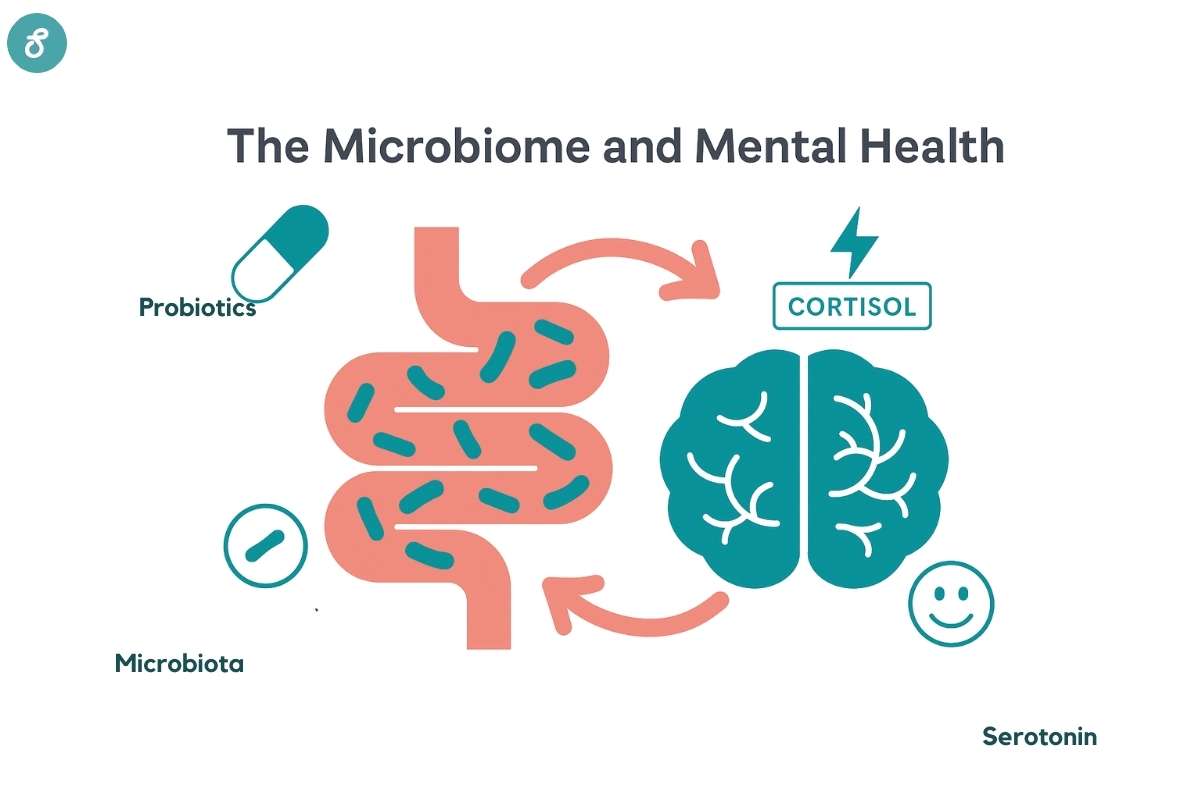
It could be that your "gut feeling" was more than simply a figure of speech. Recent research in biology is finding interesting connections between the trillions of bacteria in our digestive system and how our brains work, such as mood control and anxiety.
Here are some suggestions for studies that look into the gut-brain connection:
- How can changes in the bacteria in the stomach affect the making of neurotransmitters like serotonin?
- Can probiotics help with mild depression or anxiety?
- How do antibiotics affect the gut microbiome and mental clarity?
- How does the gut-brain axis affect stress response mechanisms, such as the release of cortisol?
- Do individuals with generalized anxiety disorder (GAD) exhibit variations in gut microbiota composition?
- Can eating a lot of sugar hurt the diversity of microbes and your ability to handle stress?
This topic is growing quickly, and it's a great example of how biology affects mental health, diet, and everyday living.
Vaccines and Problems with the Immune System
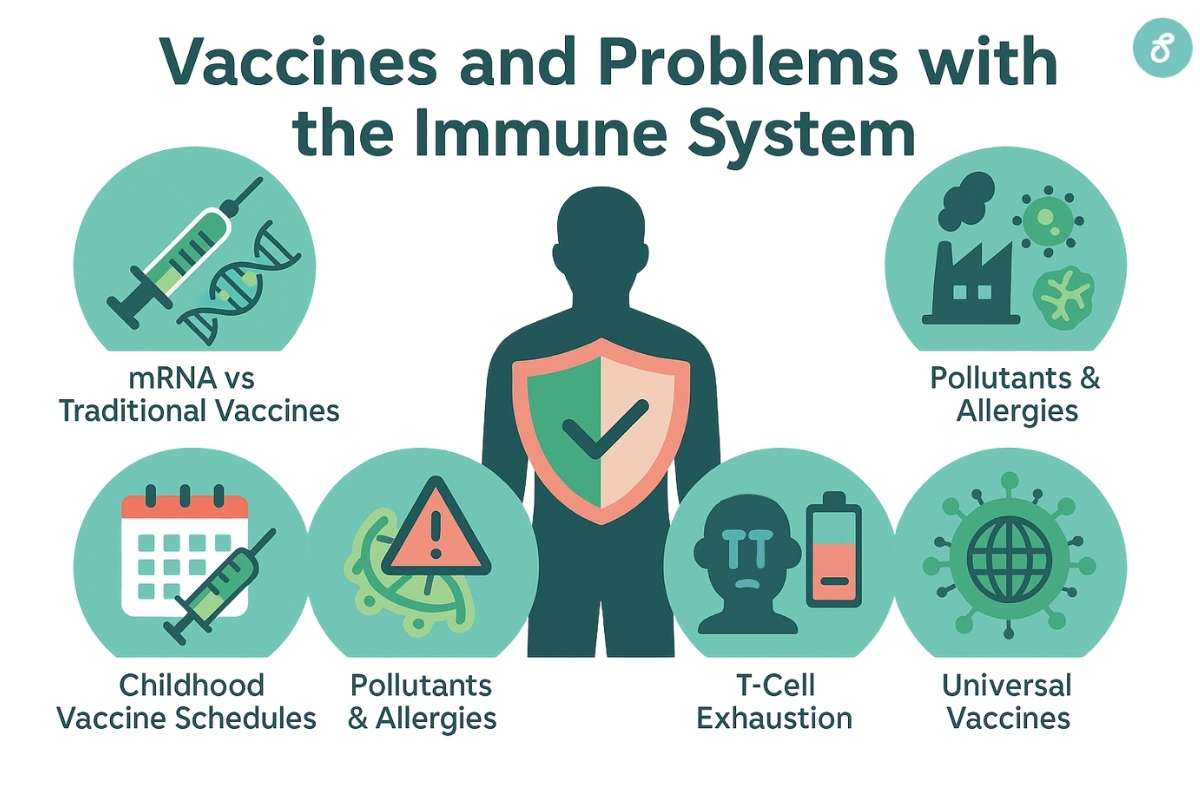
The research of immune response is more important than ever because of tailored mRNA vaccines and the rise in autoimmune diseases. This research looks into how biology might assist us learn about and protect the human body in a world where microbes are always changing.
Think about delving into one of these:
- What makes mRNA vaccines (like the ones used for COVID-19) work differently from regular immunizations?
- What genetic indicators are associated with a heightened risk of autoimmune illnesses such as multiple sclerosis or type 1 diabetes?
- Can vaccination schedules in early childhood affect the long-term development of the immune system?
- What role do environmental pollutants play in immune dysregulation and the rise of allergies?
- What is the function of T-cell exhaustion in persistent viral infections such as HIV or lengthy COVID?
- Can we utilize epitope mapping to make "universal vaccines" for flu strains or coronaviruses?
- How does the immune system react differently in people who have had measles shots and others who have had the disease naturally?
These problems are at the crossroads of molecular biology, public health, and medical innovation, making them perfect for student research.
Climate, Ecology, and the Environment
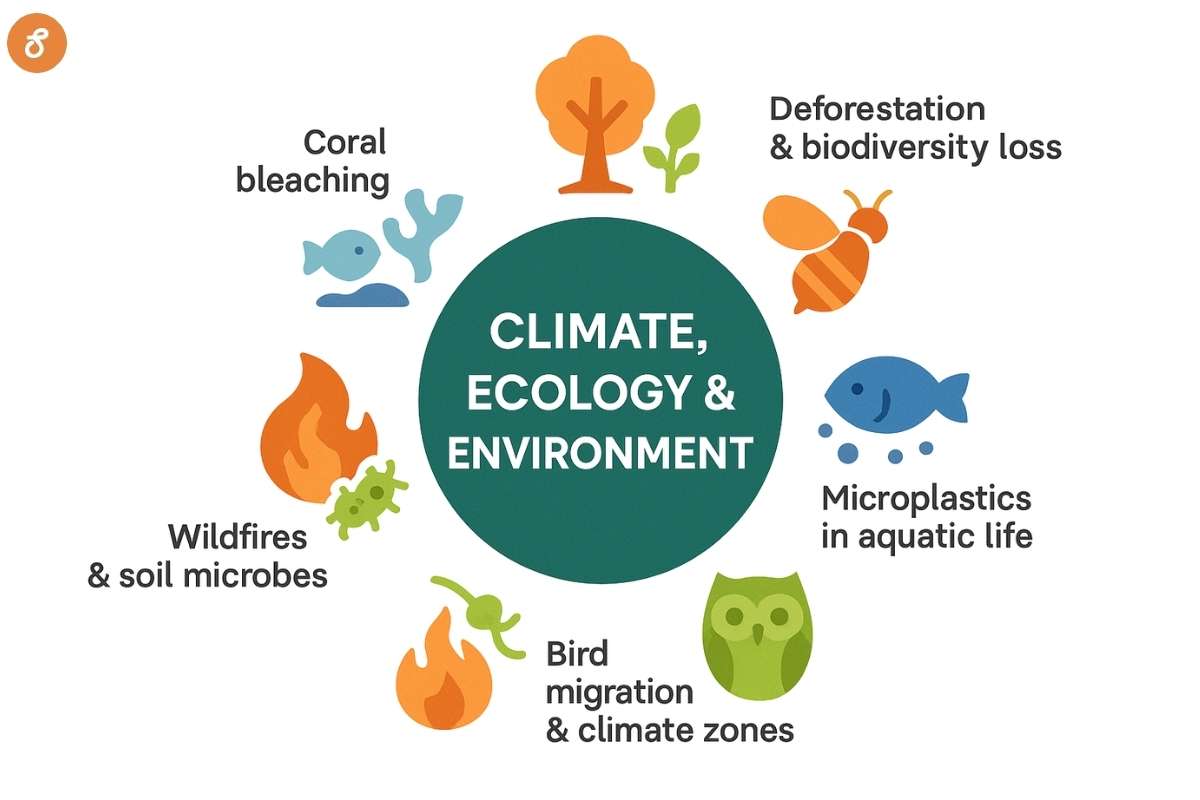
Biology is very important for figuring out what's going on and how to correct it when the climate changes and ecosystems change. These research topics provide you an opportunity to make your work matter, whether you like fieldwork, lab data, or conservation policy.
Here are 12 biology research issues in ecology and climate science that are relevant right now:
- What effect do higher ocean temperatures have on coral bleaching cycles?
- How does urban runoff affect the variety of life in nearby streams or lakes?
- Do initiatives to rewild national parks make ecosystems more stable?
- How does cutting down trees affect insect populations and networks for pollination?
- What genetic features make it easier for invasive species to live in new places?
- How can microplastics affect fish reproductive and food webs in water?
- How does the frequency of wildfires affect the diversity of microbes in the soil?
- How do climate zones affect the migration patterns of birds?
- Do urban gardens and green roofs really help pollinators in cities?
- How can environmental stressors impact the epigenetics of endangered species?
- What part do fungi and mycorrhizal networks play in the recovery of forests after a fire?
- How do the amounts of pesticides in adjacent farms impact the populations of amphibians?
You can zoom in on your city's waterway or out to global biodiversity hotspots, but all of these themes challenge you to think about how living systems adapt to a world that is becoming more unpredictable.
Protecting and Preserving Urban Biodiversity
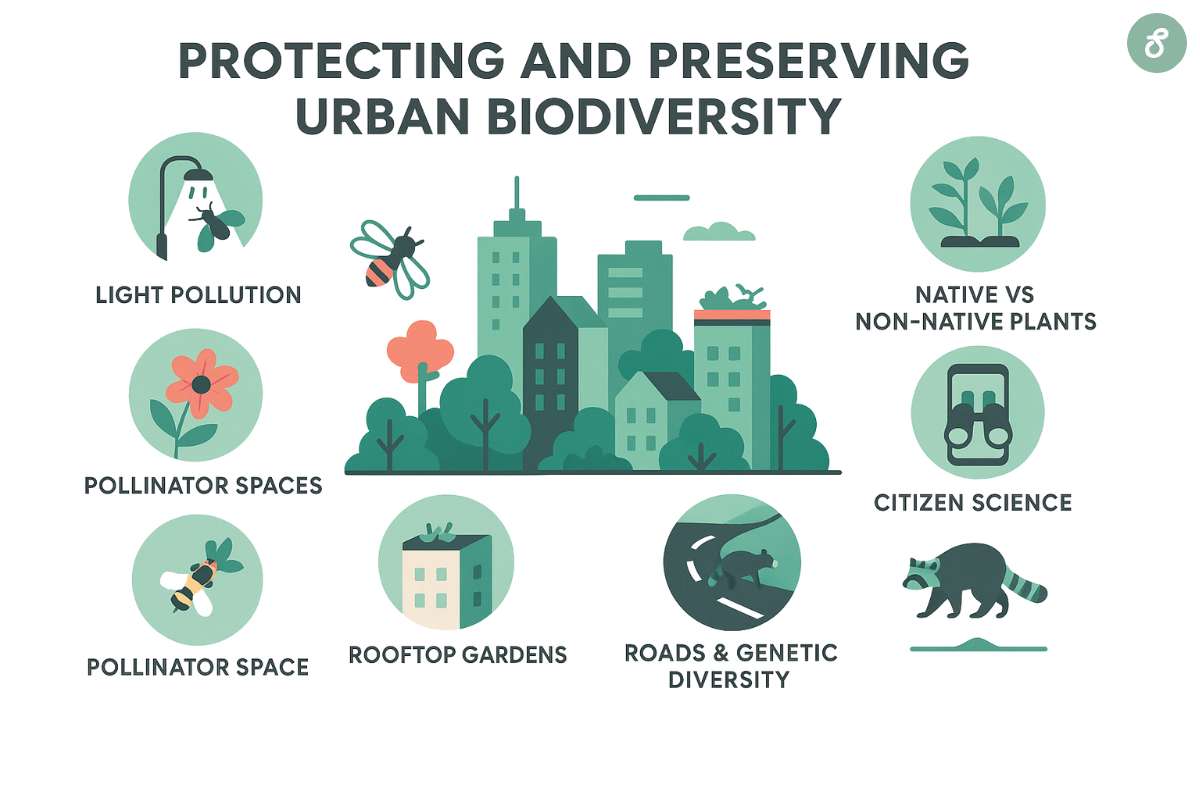
Do you think cities are places where life doesn't exist? Not so fast. Urban areas are home to many surprise ecosystems, and as construction speeds up and pollinators die off, it is more important than ever to protect these areas.
Here are six urban biodiversity study areas that are important in the actual world:
- How does light pollution change how city birds and insects act at night?
- What are the best ways to turn empty lots into green spaces that are good for pollinators?
- What effect do native and non-native plants have on the biodiversity of municipal parks?
- What role do rooftop gardens play in helping bee species that are in danger of going extinct?
- Can citizen science programs help people learn more about and keep an eye on animals in cities?
- How does the number of roads in an area affect the genetic diversity of urban fox or raccoon populations?
These subjects merge ecological understanding with civic influence, rendering them ideal for biology students aspiring to anchor their study within their communities.
Marine and Aquatic Biology
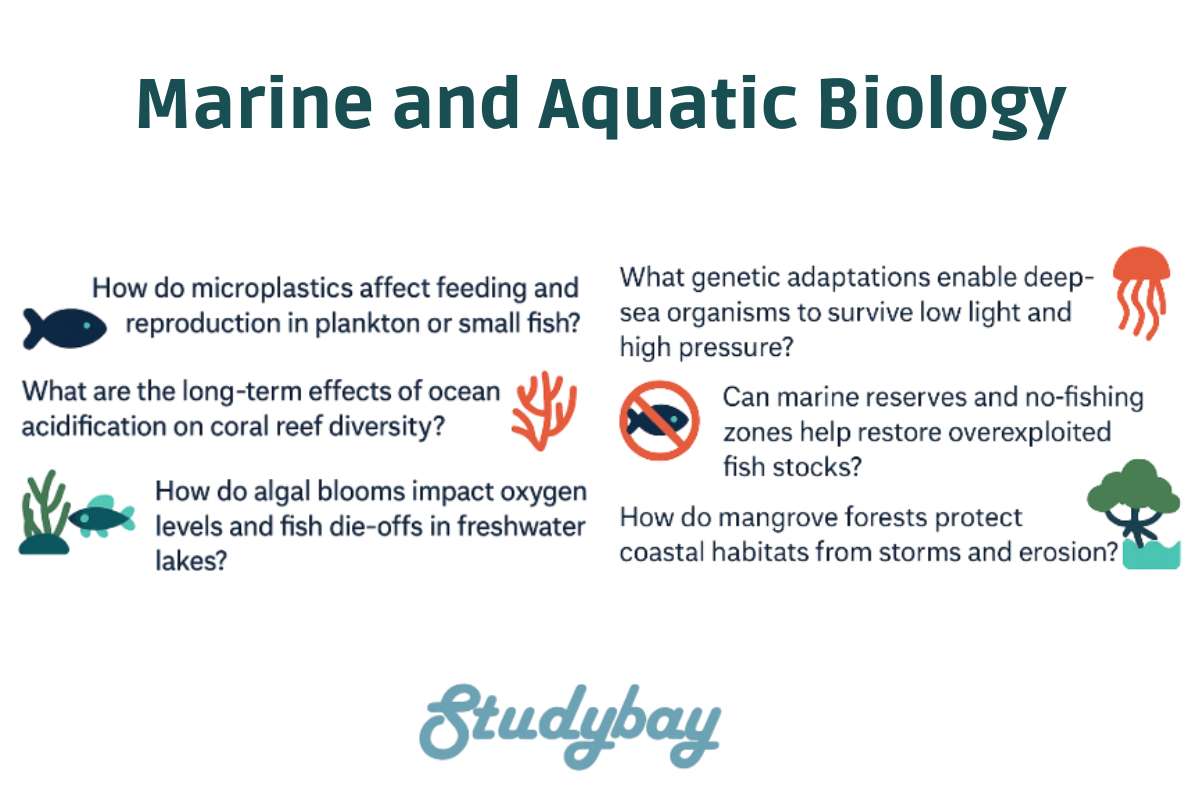
Over 70% of the Earth's surface is covered by oceans, and they are under more stress than ever before. These research subjects let you look into biology below the surface, whether you're interested in coral reefs, pollution in the water, or the survival of marine life.
Here are six interesting concepts for marine and freshwater biological research:
- How do microplastics change how plankton or small fish eat and reproduce?
- What are the long-term impacts of ocean acidification on the variety of coral reefs?
- How do algal blooms affect the amount of oxygen in freshwater lakes and the death of fish?
- What genetic changes help deep-sea animals live in low light and high pressure?
- Can marine reserves and areas where fishing is not allowed help bring back fish populations that have been overfished?
- How do mangrove forests help keep coastal habitats safe from storms and erosion?
These subjects mix ecology, physiology, genetics, and conservation, making them great for students who want to learn more about the science of our blue planet.
Biology Topics from Different Fields
Biology isn't only about petri dishes and microscopes; it has to do with everything from art to AI. Interdisciplinary biology might be for you if you like research and stories, or data and ecosystems.
Here are seven interesting study subjects that mix biology with other areas:
- How might AI help us figure out how proteins fold and find new drugs faster? (Biology times Data Science)
- How does music therapy help control stress chemicals like cortisol? (Biology times Psychology)
- Can bioinformatics tools find gene variations that have been missed in rare diseases? (Biology times Computer Science)
- How can environmental storytelling affect how much people support protecting biodiversity? (Biology and Media Studies)
- What moral issues come up when synthetic biology is used to make "bio-art" or create life forms? (Biology x Ethics/Art)
- Can wearable biosensors keep track of hydration, glucose, or sleep cycles in real time? (Biology times Engineering)
- How may CRISPR gene drives be used to get rid of invasive species, and what are the pros and cons for the environment? (Biology × Environmental Policy)
These subjects show that biology doesn't exist in a vacuum if you want to stand out and connect your interests. It's a way to start talks with people from different fields.
Animal and Plant Biology
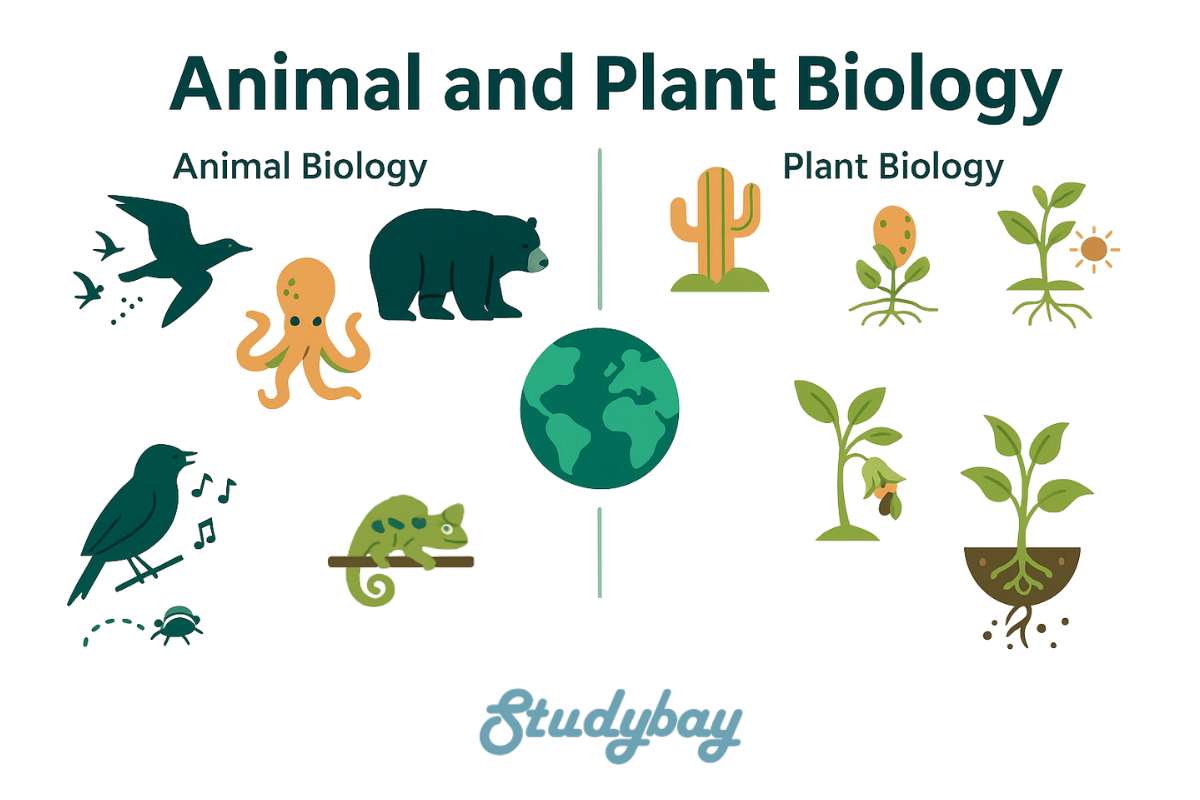
Biology has a lot to say about life on Earth, whether you're interested in how cheetahs sprint or how sunflowers turn. Animals and plants may look very different from each other, but they also need complicated biological systems to live, change, and talk to each other.
Subjects in Animal Biology
- How do birds that migrate use the Earth's magnetic field to find their way?
- What biological cues make mammals go into hibernation?
- How do octopuses use their ability to hide and solve problems to stay safe from predators?
- What part do pheromones play in how insects talk to each other in colonies?
- How does maternal conduct in mammals affect the development of their offspring's brains?
- Can examining animal vocalizations enhance our comprehension of language evolution?
- What genetic factors cause color changes in reptiles or amphibians?
Topics in Plant Biology
- How do plants send chemical signals to each other when they are in danger?
- What changes do desert plants make at the cellular level to keep water?
- How can mycorrhizal fungi help plants get nutrients from the soil?
- What do plant hormones like auxins accomplish to help plants grow in a certain direction and respond to gravity?
- How do plants that eat meat, like Venus flytraps, find and digest their food?
- What are the changes in plants' epigenetics that happen when they are subjected to drought for many generations?
- Can some plants take in heavy metals and be used to clean up soil (phytoremediation)?
Animals and plants have developed varied ways to survive, from moving to photosynthesis. Both are important to ecosystems and offer many chances for research.
How Plants Fight Back and Talk to Each Other
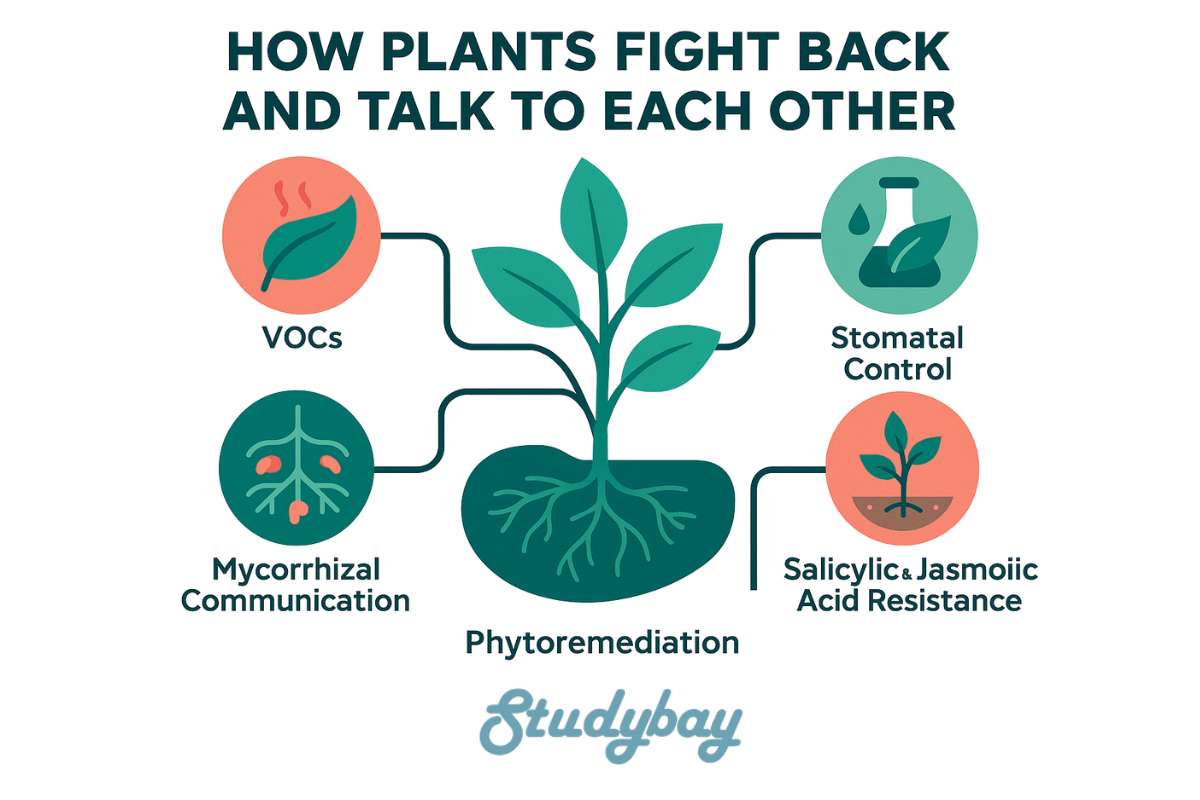
Here are five interesting study ideas about how plants protect themselves and talk to each other that could be useful in farming, ecology, and climate science:
- How do plants use volatile organic compounds (VOCs) to let other plants know when herbivores are coming?
- Can genetically modified stomatal control make crops more resistant to drought?
- What part do salicylic acid and jasmonic acid play in systemic acquired resistance (SAR)?
- How can underground root networks (mycorrhizae) let plants talk to each other about stress or share resources?
- Can phytoremediation be improved by making plants more resistant to harmful chemicals in the soil?
These subjects look into the secret smarts of plants and how their natural ways of doing things could lead to wiser farming and environmental recovery.
Now we're at the end of the last big content section:
Animal Behavior and Evolution
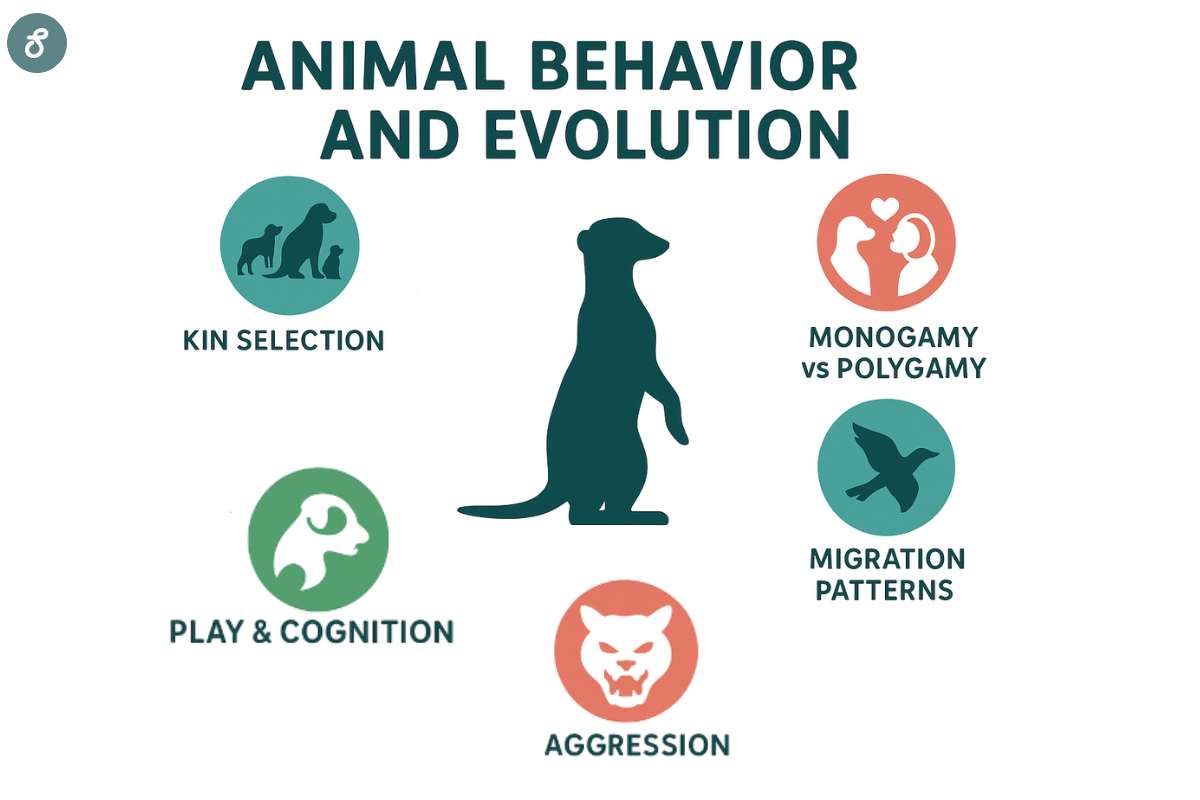
These research subjects look into how animals behave and why certain behaviors have lasted for thousands or even millions of years.
- How does kin selection affect the cooperative behaviors of social animals, such as meerkats or bees?
- What evolutionary benefits promote monogamy or polygamy across various species?
- Does the examination of mirror self-recognition in monkeys provide an understanding of consciousness and self-awareness?
- How do migration patterns vary when the climate changes or resources become scarce?
- What genetic and environmental elements influence aggression in predator species?
- How might the play activity of animals be associated with cognitive development and survival strategies?
These subjects are at the crossroads of biology, behavior, and evolution, and they can even provide us a glimpse into the past of our own species.
Bioengineering and New Ideas

If you want to use biology to shape the future, bioengineering is the place for you. This area combines life sciences with design, technology, and problem-solving. It is leading to things like lab-grown meat and materials that can fix themselves.
Here are seven research topics that are on the cutting edge of biology and new ideas:
- Can synthetic biology make tiny organisms that can break down plastic or harmful garbage in the ocean?
- How might 3D bioprinting be used to make tissues or mini-organs-on-a-chip that can be utilized for transplants?
- What are the safety and legal issues with letting gene-edited bugs go free to control pests?
- Can biological neural networks help shape the architecture of the next generation of AI?
- How does nanobiotechnology make medicine delivery systems more precise and less likely to cause side effects?
- Could engineered bacteria turn CO₂ emissions from factories into biofuels that can be used?
- What are the hazards and benefits of making "living materials," which are bioengineered surfaces that may grow, fix themselves, or change?
These subjects make you think of biology not just as a science, but as a way to fix the world's largest issues.
Tissue Engineering and Regenerative Medicine
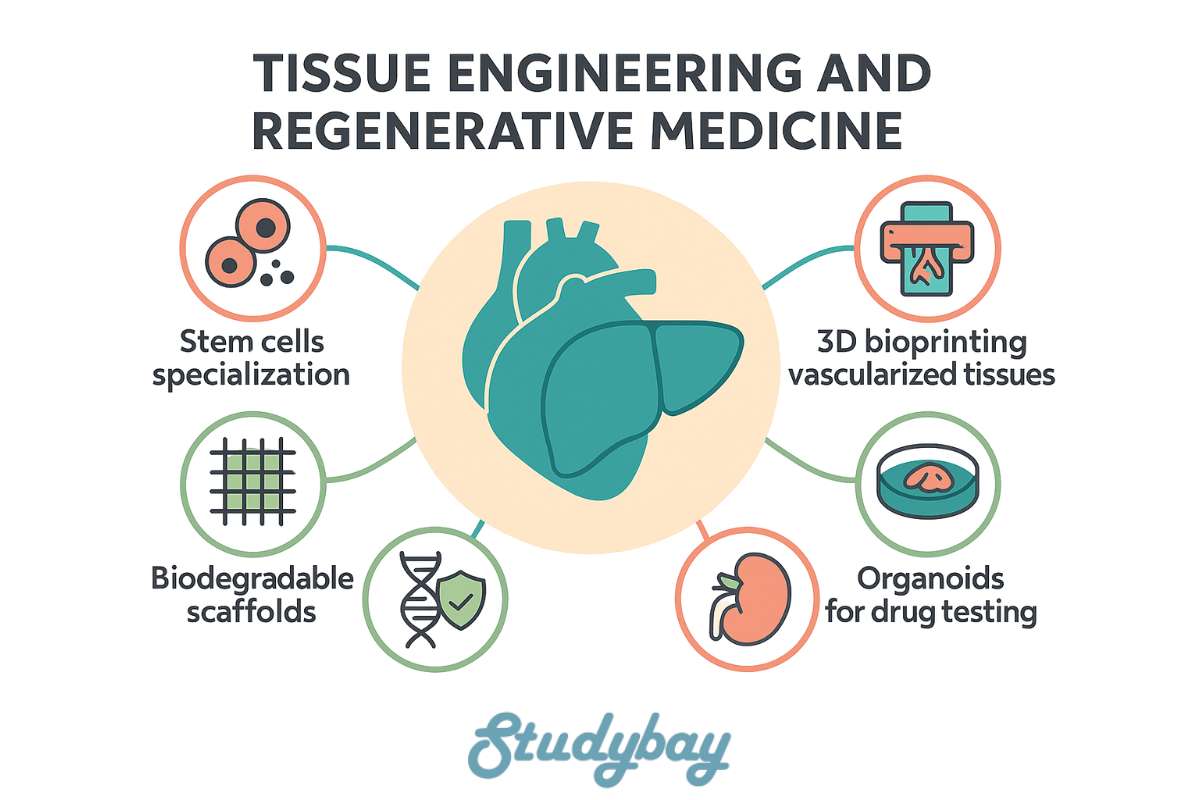
Regenerative medicine is altering what is possible in healthcare, from fixing damaged organs to making skin in the lab. In this cutting-edge discipline, here are five suggestions for biology-based research:
- How can stem cells be directed to specialize into specific tissue types for the healing of spinal cord injuries?
- What kinds of materials function best as biodegradable scaffolds for developing new skin or cartilage?
- Is it possible for 3D bioprinting to create vascularized tissues that can be transplanted?
- In organ regeneration models, what genetic factors affect tissue rejection?
- How can organoids, which are little organs made in a lab, assist test medicines for uncommon genetic diseases?
These ideas mix molecular biology, engineering, and medicine, which makes them perfect for those who wish to shape the future of healing.
Big Data and Computational Biology

Biology isn't only about microscopes anymore; it's also about terabytes of genetic code, algorithms, and models. If you like data science, here are five research projects that combine math and real life:
- How can machine learning algorithms find novel cancer biomarkers in gene expression data?
- Can genome-wide association studies (GWAS) make better predictions about illness risk in different groups of people?
- What problems does systems biology face when trying to combine multi-omics data (genomics, proteomics, and metabolomics)?
- How can we use protein–protein interaction networks to find new therapeutic targets?
- Can AI models use microbial genomic data to forecast how bacteria will become resistant to antibiotics?
These projects are at the cutting edge of digital biology, making them perfect for kids who enjoy both science and coding.
How Zoonotic Diseases Spread
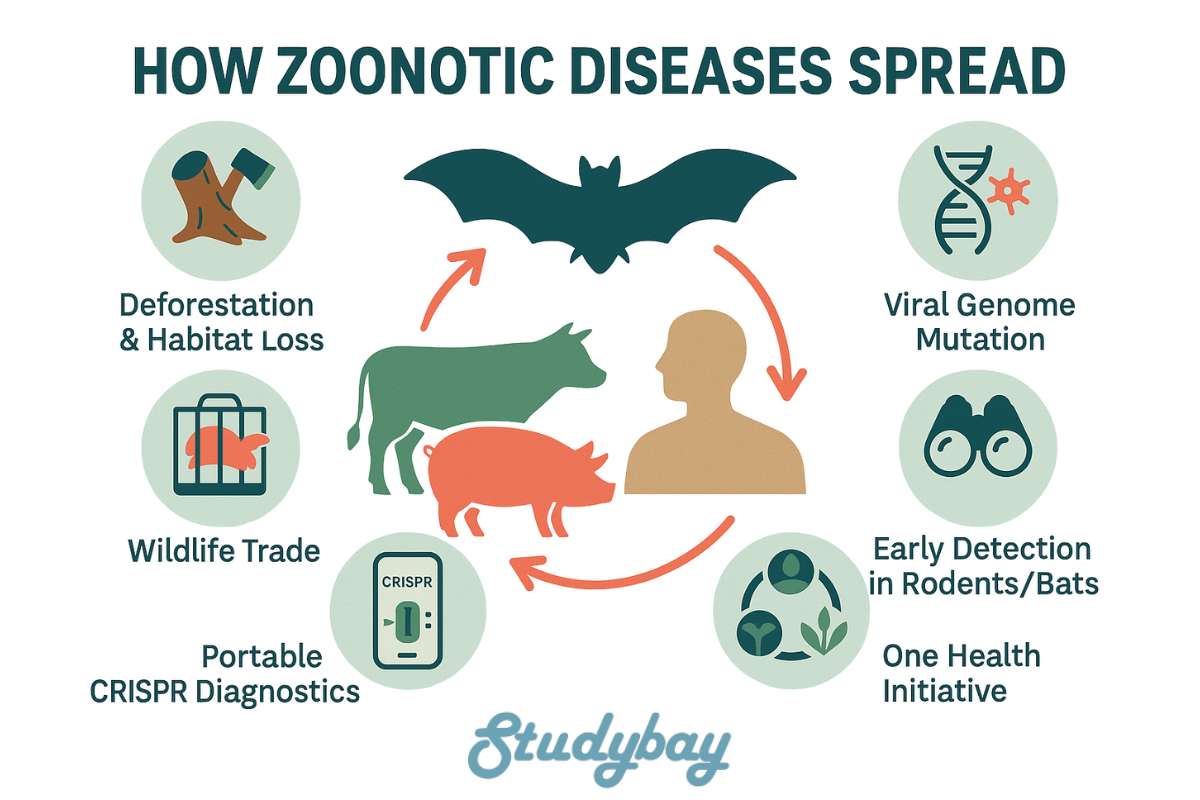
When infections go from animals to people, the results can be terrible, as we've seen with COVID-19, Ebola, and monkeypox. To stop future pandemics, we need to learn more about the biological processes that cause these "spillover events."
Here are seven great research concepts in the field of zoonotic disease biology:
- What ecological and genetic factors facilitate the transmission of viruses from animal hosts to humans?
- How do deforestation and habitat loss lead to more zoonotic diseases in tropical areas?
- Can monitoring bat and rodent populations aid in the early detection of new coronaviruses prior to their dissemination?
- What part do wildlife trading and wet markets play in speeding up the process of viral mutation and recombination?
- What changes happen to viral genomes when they spill over, and what modifications make it easier for viruses to spread from person to person?
- Can portable CRISPR-based diagnostics find zoonotic diseases faster than PCR tests that are already in use?
- How can One Health initiatives combine data from humans and animals to make it easier to deal with outbreaks?
These subjects combine microbiology, ecology, and global health, giving students the chance to learn about biology that really saves lives.
Examples of Biology Research Topics with Questions
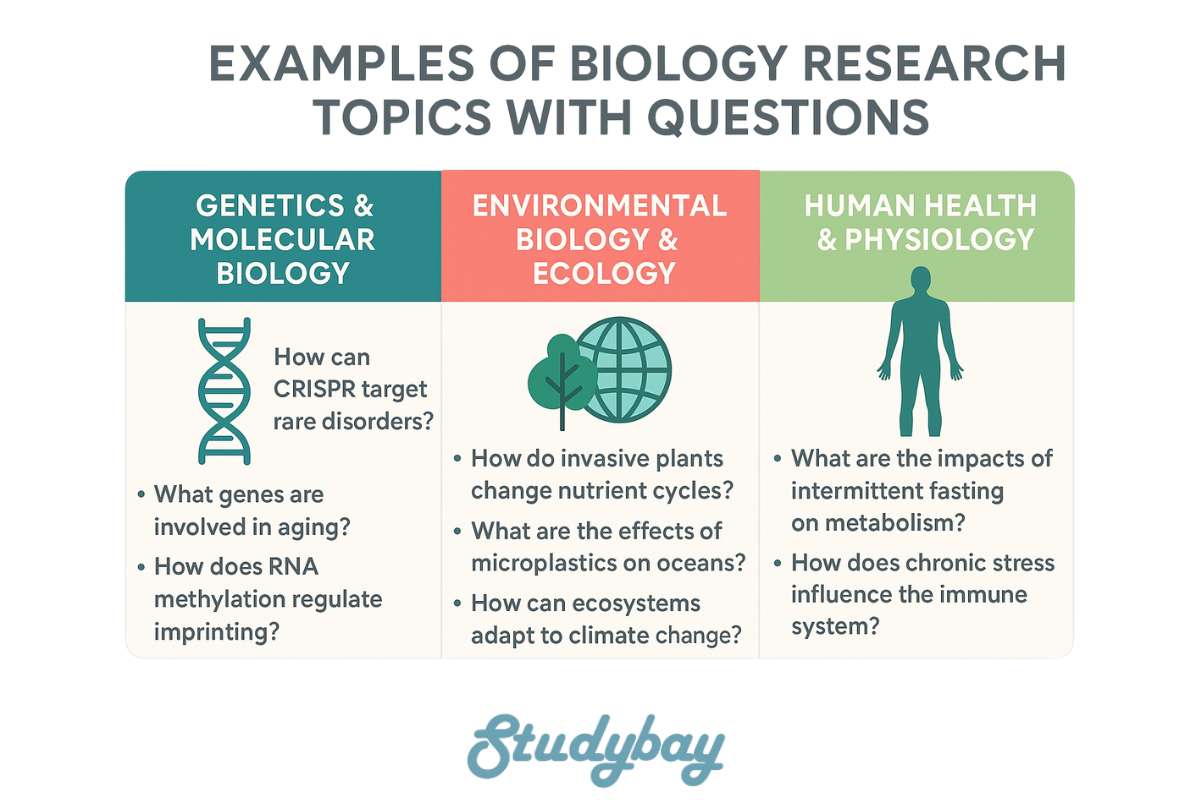
Still not sure what to do? Here are 15 biology topics to look into, each one written as a question that you might turn into a whole paper or experiment. You may use these for a lab project, thesis, or class presentation.
Genetics and Molecular Biology
- How can CRISPR systems get eukaryotic cells to target certain genes?
- What are the possible unintended consequences of employing gene drives in natural populations?
- How can mitochondrial DNA be utilized to trace maternal lineage in humans?
- What processes make it possible for antibiotic resistance genes to move across different strains of bacteria?
- Is it possible to use RNA interference (RNAi) to cure inherited genetic disorders?
Environmental Biology and Ecology
- How does the variety of life in the soil affect how well plants can handle drought?
- What are the long-term implications of coral reef bleaching on fish populations in terms of the environment?
- How do invasive plant species change the way nutrients move across forest ecosystems?
- Can urban green corridors enhance genetic exchange among scattered wildlife populations?
- How does climate change affect the timing of seasonal changes in migrating birds?
Health and Physiology of People
- What impact does persistent sleep deprivation have on immune system gene expression?
- Can the diversity of the gut microbiota indicate susceptibility to anxiety or depression?
- What are the physiological impacts of prolonged intermittent fasting on metabolism?
- How do sex hormones affect the risk of getting autoimmune diseases?
- Are real-time wearable biosensors dependable for monitoring hydration and electrolyte equilibrium?
Topics in Biology Research to Stay Away From

Some biological topics are better than others. Some are too general to look into adequately, and others are so common that you'll have a hard time coming up with something fresh. Here are six research topics you shouldn't do, along with some ideas on how to make them better:
- "Photosynthesis" ❌ Too general and too simple; every high school student writes about it. ✅ Try: How do different wavelengths of light affect how well aquatic plants photosynthesize?
- "Climate Change" ❌ It's a big problem, but it's too broad to be a topic on its own. ✅ Try asking: How does climate change alter how Arctic seabirds move around?
- "Genetic Engineering" ❌ Sounds amazing, but what part of it does it focus on? What are the environmental dangers of applying CRISPR gene drives on wild mosquito populations?
- "Human Body Systems" ❌ This is a chapter in a textbook, not a question for study. What happens to the autonomic nervous system when athletes are under a lot of stress?
- "The Cell" ❌ Too simple and too vague—what cell are you talking about? How can cancer cells change the way they use energy compared to normal cells?
- "Covid-19" ❌ Too much—stay away from it unless you have a new angle or dataset. ✅ Try: How has lengthy COVID changed the way the brain works in young individuals who were healthy before?
Choosing the right topic can help you conduct better research and get better scores, so don't be scared to work on your idea until it's sharp enough to look at extensively.
Biology Research Topics: Frequently Asked Questions
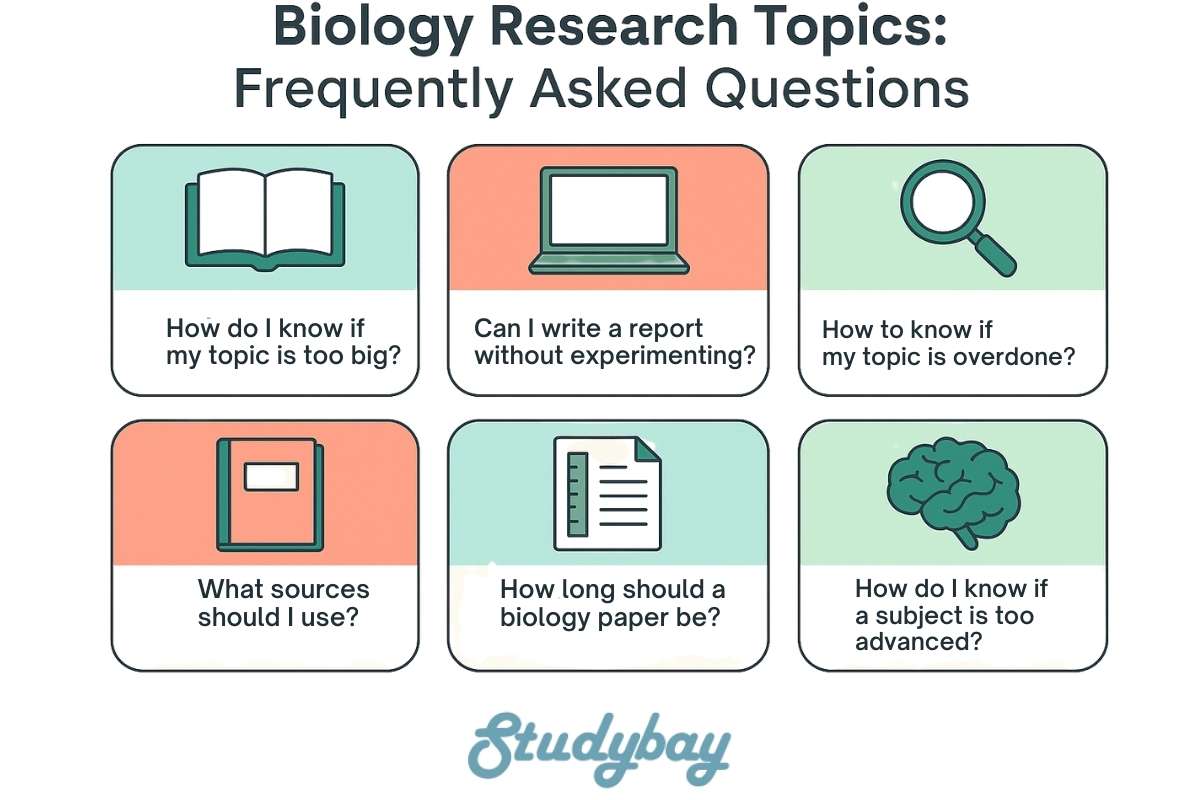
Q1: How can I tell if my biology topic is too big? It's overly wide if your topic might be a whole chapter in a textbook (like "human genetics"). To make it easier to handle, narrow it down to a certain gene, ailment, or group of people.
Q2: Is it possible to create an excellent report without conducting a lab experiment? Of course. Literature reviews, case studies, and data analysis projects are all good ways to do research, especially for undergrads.
Q3: How can I be sure that my topic hasn't been done too many times? Search for it on Google and Google Scholar. If the top 10 results are all extremely similar, consider adding a unique variable, such species, location, or method, to get a new perspective.
Q4: What kinds of sources should I look for? Use only peer-reviewed journals, government health or science sites (such the NIH or CDC), and well-known databases like PubMed or ScienceDirect. Stay away from Wikipedia and random blogs.
Q5: How long should a college biology research paper be? Usually 5 to 10 pages, double-spaced (1,500 to 3,000 words), depending on the level and the course. Make sure to always read the instructions for your assignment.
Q6: How can I know if a subject is "too advanced" for me? If you can't convey the main idea in simple terms after reading about it for 10 minutes, it might be too hard for now. Choose a subject that is difficult yet still makes sense.
Q7: Can I use a topic from a class I took before? Yes, but only if you look at it from a different angle. For instance, making a brief biology essay about gut bacteria into a longer one about how it affects mental health.
Looking into Biology in 2026
As we get closer to 2026, biology research subjects are more important than ever. These include figuring out how genes and ecosystems work and finding solutions to real-world problems like pandemics, pollution, and food poverty. Biology is beautiful because it covers so much ground. You can look at molecules or look at global biodiversity and still find new things to learn.
So, whether you're just starting to learn about frogs or diving into machine learning for genomics, keep in mind that successful research starts with real interest. Choose a subject that interests you, keep asking why, and don't be afraid to go beyond what the book says. Biology's future is already happening, and it needs your help.